A U.S. consulate in downtown Toronto has now been shot at twice in four months, and the latest gunman got away because police chose safety over speed.
Story Snapshot
- Two separate shootings have targeted the U.S. consulate in Toronto this year.
- Police and Canadian security services call the consulate attack a national security incident.
- In the latest case, officers ended a 140-kilometer-per-hour chase to avoid more danger.
- No injuries have been reported, but bullets have struck a fortified U.S. diplomatic site.
Bullets at a U.S. consulate, twice in four months
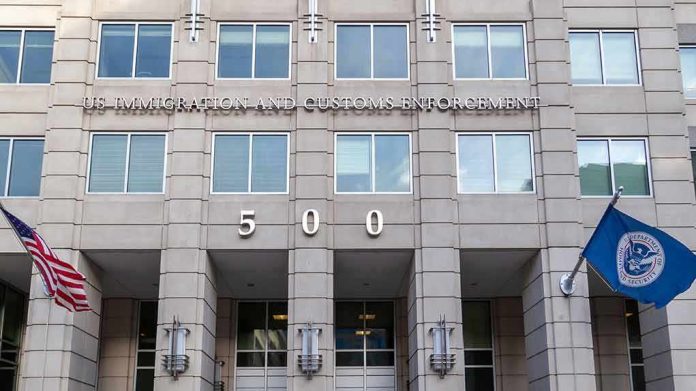
Toronto’s U.S. consulate sits on University Avenue, a busy downtown road lined with courts, government buildings, and financial towers. In March, two men in a white Honda sport utility vehicle stopped outside that consulate, stepped out, and fired several rounds at the front of the building, according to Toronto Police Deputy Chief Frank Barredo. Shell casings and visible damage on doors or glass confirmed that the gunfire was real, not rumor or panic. No one was hit, but bullets struck a structure that represents American power on Canadian soil.
The March attack triggered a full-scale security response. Toronto police quickly labeled the case a national security incident, and federal agencies including the Royal Canadian Mounted Police and the Canadian Security Intelligence Service joined the investigation. The Federal Bureau of Investigation in the United States also coordinated with Canadian partners, which is the norm when a U.S. diplomatic site is attacked abroad. Officials stressed that there was no clear ongoing threat to the public, yet they made clear that shooting at a consulate is far from a routine crime.
What we know about the March shooting and foreign ties
Police say evidence shows the white Honda sport utility vehicle drove up University Avenue, stopped at the consulate, and two men stepped out with a handgun. Television footage later showed at least two bullet marks on a glass entrance door, backing up Barredo’s description of the shots. People were inside the consulate during the attack, but the building’s heavily fortified design kept them safe. That detail matters: the shooters did not just fire into the night; they targeted an occupied diplomatic post.
Months later, the case widened. A member of Canada’s House of Commons told lawmakers that suspects in the consulate shooting had been paid and contracted by a foreign organization. That claim fits a larger pattern Canadian police describe as criminals for hire, where young people are recruited to carry out violent acts, record them, and then flee. United States authorities later arrested an Iraqi national accused of directing more than a dozen attacks against U.S. interests across North America and Europe, including the Toronto consulate shooting, suggesting a cross-border network. For readers who value strong borders and clear national defense, this kind of outsourcing of violence raises serious questions about how far foreign actors can reach into North American cities.
The second shooting and a chase police chose to stop
The July incident followed a different script but hit the same target. Reuters reports that at least one shot was fired outside the consulate early on a Monday morning, again on University Avenue. Nearby officers heard the gunshot and later found physical evidence that a weapon had been fired at the site. A local television report shows a bullet hole in the front facade from that single shot, and notes that two security staff were inside at the time, though they were not harmed. Once again, a U.S. diplomatic building took a round, even with extra security after the spring attack.
This time, police almost caught the suspect. Toronto’s deputy chief said officers spotted a white sedan speeding away and gave chase on the Don Valley Parkway, a major highway cutting through the city. The car reached speeds over 140 kilometers per hour, weaving through other drivers. At that point, police ended the pursuit. They made a judgment call: better to stop a dangerous chase than risk a pileup that could kill commuters. That choice lines up with common-sense public safety standards, even though it meant the gunman got away, at least for now.
National security label, limited detail, and public trust
Calling both incidents national security matters signals that Canada sees attacks on the consulate as strikes against the country’s broader safety and its alliance with the United States. At the same time, once officials apply that label, they often share less detail, to protect methods and intelligence. The public sees shell casings, bullet holes, and broad claims of foreign ties, but not the full case file or clear answers on motive. That secrecy can frustrate citizens who believe government should be tough on foreign interference and also transparent about what really happened.
For now, the facts that do exist cut through the fog. Twice in four months, someone shot at a U.S. consulate in a major Canadian city. Investigators found real bullets and damage. People were inside the building during at least one attack. Police and security agencies on both sides of the border treat the case as part of a serious pattern, not a random stunt. Readers who care about secure borders and strong alliances can fairly see these events as a warning: American institutions abroad are targets, and the response will need more than press conferences to convince the public that the shooters and those directing them are truly being stopped.
Sources:
insiderpaper.com, nytimes.com, youtube.com, abcnews.com, washingtonpost.com, bbc.com, cbc.ca, politico.com