
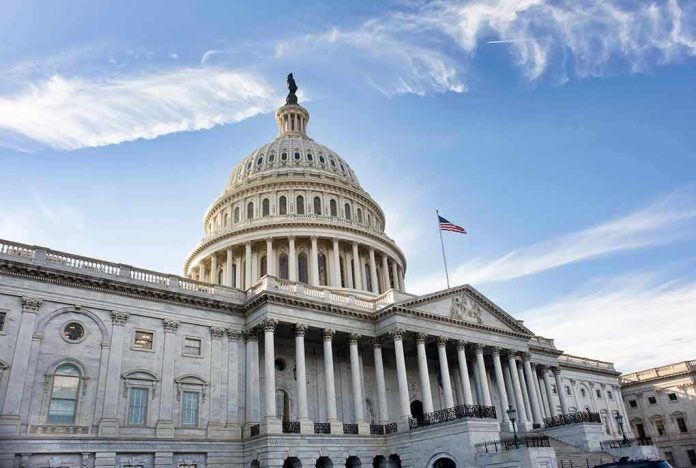
Federal agents confirmed a multistate probe after election offices received letters with an unknown white powder.
Story Snapshot
- The Federal Bureau of Investigation (FBI) said it is investigating suspicious mailings to election and congressional offices.
- State officials in Louisiana, Oklahoma, and Ohio reported evacuations or intercepted letters with white powder.
- The U.S. Postal Inspection Service and U.S. Capitol Police joined the investigation and intercepted some mail.
- Senate and House security offices urged staff to treat the letters as potentially hazardous.
What Authorities Confirmed And Why It Matters
The Federal Bureau of Investigation said it is investigating a series of suspicious mailings sent to Secretary of State offices and related election offices. The bureau confirmed that some letters contained an unknown substance. The timing, weeks before the November midterms, raised operational concerns. The FBI did not publish a full count, but described a multistate pattern and asked the public to report tips. Federal agencies stressed caution while they worked to identify who sent the letters.
State officials gave specific accounts that show the scope. Louisiana Secretary of State Nancy Landry said her Baton Rouge office was evacuated after staff found white powder in mail. Oklahoma’s top election office reported a similar evacuation. Ohio Secretary of State Frank LaRose said the United States Postal Service intercepted a letter with a powdery substance before it reached his office. These reports show both delivered and intercepted items, which shaped the federal response.
Who Is Investigating And How The Mail Was Handled
The FBI, the United States Postal Inspection Service, and the United States Capitol Police opened coordinated inquiries. Postal inspectors confirmed that some letters were stopped in the mail stream. Capitol Police tracked reports to several congressional offices and worked with Senate and House security teams on guidance. That guidance told staff to isolate any suspect envelope, avoid handling, and call security. The multi-agency approach matched each group’s core duties and kept the focus on safety.
Congressional security offices backed those steps with clear alerts. The Senate Sergeant at Arms and the House Sergeant at Arms told staff to treat these letters as potentially hazardous. The notices described suspicious white powder and listed signs to watch for, like no return address, excess postage, or strange odors. The goal was fast reporting, not panic. Offices were told to close doors, avoid touching surfaces, and wait for trained responders when they discovered suspect mail.
The Election Calendar And The Risk Pattern
The mailings hit as local and state offices prepared for high-volume election work. Even a short evacuation can slow ballot processing or public service windows. That is why leaders urged plain, calm steps to keep teams safe and keep work going. The broader backdrop shows why officials took this seriously. Surveys and reports have found a rise in threats and harassment of election workers in recent years, adding strain to a vital public service.
🚨🇺🇸 BREAKING: FEDERAL AUTHORITIES INVESTIGATE SUSPICIOUS MAIL SENT TO U.S. LAWMAKERS AND ELECTION OFFICES
Federal law enforcement agencies are investigating suspicious letters containing unidentified substances sent to congressional offices and election officials across…
— Eyeworldnewsdigital (@eyeworldnews444) October 16, 2026
History also explains the firm posture. The 2001 anthrax attacks used letters to target lawmakers and the media, killed five people, and sickened others. That event created a long tail of copycat hoaxes. Agencies now treat unknown powders as dangerous until proven otherwise. That conservative approach respects common sense: protect life first, confirm details second. It also matches American conservative values of law, order, and steady institutions that serve every voter, not a party.
What We Know, What Comes Next
Officials have not publicly named a sender or motive. Preliminary testing reported by some outlets suggested the powder was not hazardous, but agencies continued to test and investigate. The FBI said it would keep working with partners and asked anyone with relevant mail or tips to call. The practical advice for citizens is simple: if you see odd mail at home or work, do not open it, separate it from people, and call local authorities or the Postal Inspection Service right away.
Operational Takeaways For Election Offices
Election offices should review mail-screening steps, entry controls, and staff training. Simple moves work: open mail in a set area, wear gloves, keep wipes and sealable bags nearby, and post the right phone numbers on the wall. Coordinate with local police and fire. Document each incident in a standard log. These steps cost little and buy speed when minutes matter. They also show the public that institutions can face pressure and still run safe, lawful, on-time elections.
Sources:
votebeat.org, cnn.com, nbcnews.com, yahoo.com, cp24.com, thehill.com