
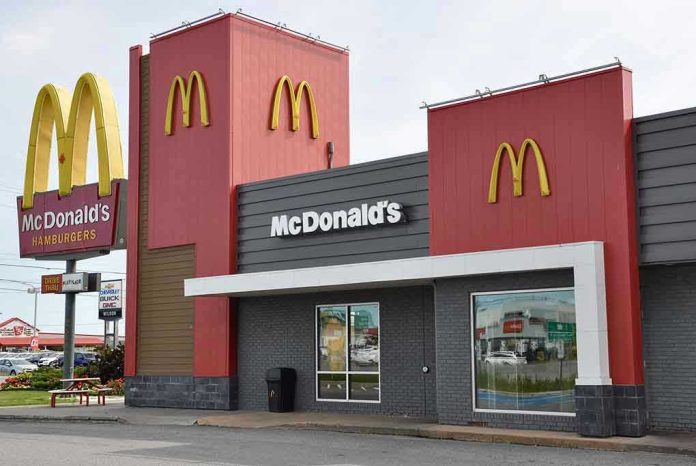
McDonald’s is betting its future on a drug-fueled appetite shift that could redefine fast food forever.
Quick Take
- McDonald’s tests protein-rich menu items to capture GLP-1 drug users who demand nutrient-dense, lower-calorie options
- Competitors like Chipotle, Shake Shack, and Subway already launched high-protein offerings, positioning McDonald’s as a late but powerful entrant
- The protein pivot counters declining snacking habits among Ozempic and Wegovy users, protecting restaurant revenue streams
- Industry shift from supersizing to flexibility signals a fundamental change in how fast food operates in 2026 and beyond
The Ozempic Effect Hits Fast Food
GLP-1 drugs like Ozempic and Wegovy, originally designed for diabetes management, exploded in popularity after 2022 as weight-loss tools. These medications suppress appetite and slow digestion, fundamentally altering how millions of Americans eat. The result: reduced snacking, smaller portion preferences, and an obsessive focus on protein to preserve muscle mass during calorie restriction. Fast-food chains watched this seismic shift unfold and realized their entire business model faced obsolescence.
McDonald’s Enters the Arena
CEO Chris Kempczinski announced during an early February 2026 earnings call that McDonald’s is testing new protein-focused menu items specifically designed for GLP-1 users. The chain already offers Snack Wraps and McCrispy Strips, positioning itself as prepared for this transition. Yet McDonald’s enters this space months after competitors staked their claims. Chipotle launched its High Protein Menu in December 2025, featuring items with 15 to 81 grams of protein. Shake Shack rolled out bunless burgers delivering up to 52 grams. Subway introduced Protein Pockets exceeding 20 grams. Even Olive Garden pivoted toward lighter portions. McDonald’s, despite its market dominance, is playing catch-up.
Why Protein Became the New Currency
Dietitian Jenna Werner explains the science: GLP-1 users need aggressive protein intake to prevent muscle loss when consuming dramatically fewer calories. A Chipotle high-protein bowl priced like a latte offers both nutrition and value. Restaurant operators like Abraham Merchant emphasize flexibility over shrinkage, understanding that customers want customization, not pity portions. Teneshia Murray, a brunch owner, notes soaring demand for “same flavor but healthier” high-protein dishes. The trend transcends Ozempic; it aligns with federal dietary guidelines and emerging consumer consciousness about nutrient density.
The Ripple Effect Across Industries
Morrisons in the UK launched 53 GLP-1-friendly products across 400 stores in January 2026, signaling global recognition of this shift. Fast-casual and grocery sectors now standardize high-protein, low-carb offerings. Plant-based and fiber-heavy alternatives gain traction. Yet dissent exists. Chef Gordon Ramsay dismisses GLP-1 menus as unnecessary theater, prioritizing full portions over pharmaceutical accommodation. Critics worry the trend reinforces a “weight-loss cultural movement” that overshadows genuine health. These voices matter, but market forces suggest they’re outnumbered.
The Business Logic
Short-term, menu flexibility directly boosts sales to GLP-1 users. Long-term, the industry faces fundamental restructuring. Supersizing—the profit engine of fast food for decades—becomes obsolete when customers physiologically cannot consume it. Restaurants adapt by offering nutrient-dense alternatives that command premium pricing despite smaller portions. Low-income consumers benefit from affordable lighter options. The shift counters sales dips from reduced snacking, protecting shareholder returns. This is capitalism responding to biology, not philanthropy.
What Comes Next
McDonald’s testing phase will likely yield results by mid-2026. The chain’s scale means rapid rollout once items prove successful. Competitors will intensify customization and protein messaging. Grocery chains will expand GLP-1 sections. The question isn’t whether this trend persists but how thoroughly it reshapes the industry. Kempczinski’s statement—”Protein is one of the areas that the GLP-1 consumer is still very much interested in”—signals McDonald’s commitment to this future. The burger chain that built an empire on cheap calories now chases customers who reject them.
Sources:
Burger chain jumps on latest trend and plans new menu items
Ozempic boom collides with America’s eating habits as restaurants shrink portions
Weight loss drugs are changing fast food restaurant menus
GLP-1 friendly menus in food and dining 2026
McDonald’s follows Chipotle in growing new food trend