The Pentagon’s careful phrase “believed to have been killed in action” tells you this story is both officially confirmed and still, in important ways, unfinished.
Story Snapshot
- The Pentagon named Sgt. Angel S. Rampersad as the third American soldier lost in the Jordan attack.
- Her status shifted from missing to “believed to be deceased” after unidentified remains were found.
- The attack is part of Iran’s direct strikes on a U.S. base, raising the toll to 18 dead.
- The wording shows how wartime reporting collides with slow, careful forensic work.
The soldier behind the cautious headline
The Pentagon did not just speak about “a third casualty.” It gave a name, a face, a hometown. The Defense Department identified Sgt. Angel S. Rampersad, 28, of Ozone Park, New York, as the active-duty Soldier believed to have been killed in action on July 17, 2026, during an enemy attack at Muwaffaq Salti Air Base in Jordan. She served with the 1st Battalion, 57th Air Defense Artillery Regiment in Germany, a front-line air defense unit now pulled into a wider Iran conflict.
The Jordan base attack that took her life was not a random rocket in the night. U.S. Central Command said Iranian ballistic missiles and drones targeted Muwaffaq Salti Air Base, killing soldiers supporting operations against the Islamic State group. Two soldiers, First Lieutenant Tyler James Feehan and Private Isabella Gonzales, were confirmed dead almost immediately. A third soldier was missing. Within a day, troops recovered unidentified remains. That discovery began a formal, methodical process.
From missing soldier to “believed to be deceased”
U.S. Central Command first told the public that two service members were killed and one was missing after the attack. The next day, it announced that troops had found remains and started examining them. After this review, the Pentagon updated Rampersad’s status from missing to “Duty Status–Whereabouts Unknown” and then said she is “believed to be deceased.” That chain shows how casualty accounting works in stages, not in one dramatic moment, even when the headlines make it look instant.
The careful wording matters. The Pentagon’s release says, “Sgt. Angel S. Rampersad…is believed to have been killed in action,” and adds, “The incident is under investigation.” That is not legalese. It reflects a system where full closure depends on medical records, dental files, personal effects, and, more recently, DNA analysis, all handled by Army mortuary affairs specialists. The public sees a short statement; behind it stands a long, detailed process built to avoid another generation of “unknown soldiers.”
Why every word in these statements is deliberate
Media outlets mostly focused on the identification and the Iran angle. NBC, Associated Press, and others all repeated the key facts: Rampersad’s name, age, New York roots, unit, and the Jordan base under Iranian attack. They also echoed the Pentagon’s casualty count, saying her death brought the total number of U.S. service members killed since the war began to 18. For a reader skimming on a phone, that feels definitive. But the small phrases “believed to have been killed” and “under investigation” keep the door open until the evidence chain is complete.
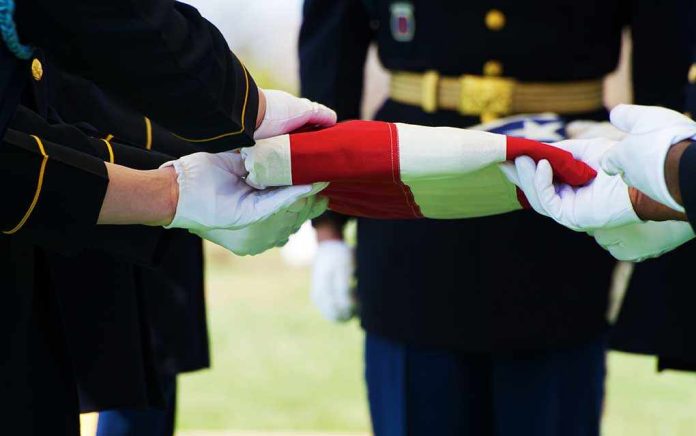
American conservative instincts usually favor two things here: respect for the uniform and skepticism toward fast, politicized narratives. On respect, the case is clear. A named Soldier died in a foreign desert because her government sent her there. That deserves full honors, including the dignified transfer back through Dover Air Force Base, where Griffin reported she would be among four Americans returning home. On skepticism, the conservative question is not whether she died, but whether Washington will later use her death to sell a bigger war or hide mistakes.
Wartime reporting and the risk of hardened narratives
Several threats show up in this information pattern. One is speed. Multiple outlets and social feeds echoed the identification within hours, often dropping the investigative qualifier into a side clause. The country quickly absorbed “third soldier killed in Iranian attack” as settled fact. Another is opacity. The Pentagon and Central Command control casualty files and usually release only short summaries while operations are ongoing. That leaves citizens with assertions, not full documentation, for now.
🇺🇸 Sgt. Angel Rampersad, 28, has been identified as the third U.S. soldier killed in the Iranian attack on Muwaffaq Salti Air Base, Jordan.🕊️ Honoring his service and sacrifice.#USArmy #Jordan #Pentagon https://t.co/72RpStYJbW
— Jnewsaz (@Jnewsaz) July 22, 2026
There is no counter-evidence in the record that challenges the core facts. No outlet presents a different name, no family dispute has surfaced, and no correction has been issued that questions whether Rampersad is the missing Soldier from the Jordan attack. Doubt in this case does not center on whether she died, but on how much we know about the exact circumstances, the chain of errors or bravery around her death, and the political decisions that put her there. American common sense says those questions deserve answers before anyone calls more war “inevitable.”
Sources:
realcleardefense.com, nbcnews.com, aa.com.tr, turkiyetoday.com, apnews.com, ajc.com, independent.co.uk, abcnews.com, lineofdeparture.army.mil