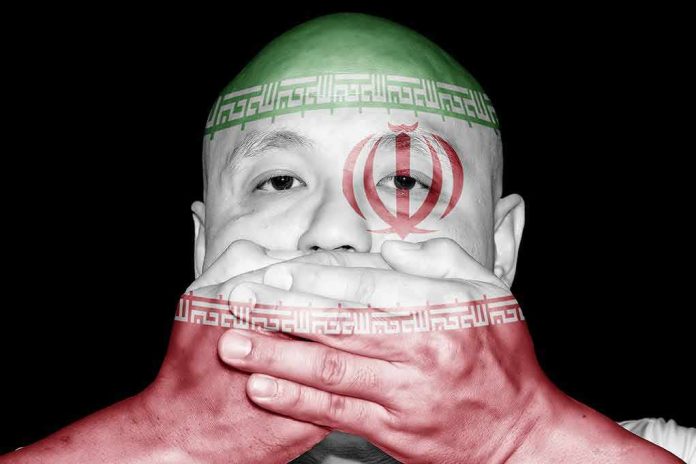
An Iranian court just sentenced a protest rapper to death for his lyrics and online posts — and that should worry anyone who cares about free speech and basic human rights.
Story Snapshot
- Iran’s Revolutionary Court sentenced rapper Toomaj Salehi to death on “corruption on earth” and other charges tied to 2022–23 protests.
- He was punished for songs, social media posts, and support for the “Woman, Life, Freedom” movement after Mahsa Amini’s death in custody.
- Iran’s Supreme Court later overturned the death sentence, calling out legal flaws, but lower courts kept pushing harsh new charges.
- Human rights groups and United Nations experts say the case shows Iran using “national security” laws to crush dissent and artistic speech.
Rapper’s Death Sentence Over Protest Lyrics
Iran’s Revolutionary Court in Isfahan sentenced dissident rapper Toomaj Salehi to death in April 2024, saying his protest-related actions amounted to “corruption on earth,” one of the most serious offenses under Iran’s Islamic Penal Code. The charges flowed from his outspoken support for the 2022–23 “Woman, Life, Freedom” protests that followed the death of Mahsa Amini in custody, along with songs and social media posts that blasted the ruling establishment. This is not about violent crime; it is about a regime punishing words.
Iran’s judiciary media arm confirmed the sentence and said Salehi had twenty days to appeal to the Supreme Court. Officials listed a mix of broad “national security” accusations, including propaganda against the state, gathering and colluding against national security, inciting riots, and waging war against God, then bundled them into the single capital charge of “corruption on earth.” For everyday readers, that charge is a catch-all tool that lets the regime turn speech and peaceful protest into a supposed threat equal to terrorism or armed rebellion.
From Street Protests To Harsh Courtroom Punishment
Salehi became a target because he used rap music and online posts to stand with young Iranians who poured into the streets after Mahsa Amini’s death in 2022, demanding basic rights and an end to rigid morality rules. Human Rights Watch reports that his case began with a six-year prison sentence for protest-related charges, which Iran’s Supreme Court later struck down, citing problems in the ruling. Instead of backing off, authorities added fresh accusations and pushed his case back to the Revolutionary Court, where judges then chose the harshest possible path and issued a death sentence.
United Nations human rights experts say Salehi’s detention and prosecution are tied directly to his artistic expression and criticism of government policies, not to acts of violence. Amnesty International and other groups describe the trial as fundamentally unfair, pointing to reports that he was tortured, held for months in solitary confinement, and denied due process. That pattern matches a long-running tactic in Iran, where broad national-security and public-order laws are used against protesters, writers, and musicians whose only “crime” is calling out corruption and abuse.
Supreme Court Pushback And Global Outrage
Iran’s Supreme Court eventually stepped in and overturned the death sentence, saying lower judges had violated rules for handling multiple charges and ordering a retrial. That move prevented what one report called an “irreparable judicial error” and showed there are still some limits inside Iran’s system when global pressure mounts. But a lower Revolutionary Court then added new charges like propaganda against the state and revived “corruption on earth,” leaving Salehi trapped in a cycle of punishment for the same speech and protest activity.
This goes to Toomaj Salehi the con of all cons…your selective and sell out activism disgusts me. How come this rapper got a death sentence, and you are running free untouched?
— Iman N. (@Baharehkh41) July 29, 2026
Human rights groups, Iranian political prisoners, and diaspora activists rallied worldwide, calling the sentence proof of the regime’s “inhuman nature and deep corruption” and warning other artists could be next. For Americans who value the First Amendment, this case is a stark reminder of what happens when a government can label criticism as a crime against the state. Iran’s use of vague religious and security charges to crush dissent is the exact opposite of our constitutional model, where government is supposed to answer to the people, not silence them.
Sources:
npr.org, cnn.com, news.sky.com, theguardian.com, iranhumanrights.org, amnesty.org, iranintl.com, iranhr.net, bbc.com