

Bruce Springsteen ignited a political firestorm by writing, recording, and releasing a protest song condemning federal immigration enforcement operations in Minneapolis within a 72-hour span, prompting an immediate rebuke from the White House.
Story Snapshot
- Springsteen released “Streets of Minneapolis” on January 28, 2026, three days after writing it in response to federal law enforcement operations
- The song attacks what he calls “state terror” by DHS agents and ICE, memorializing two individuals killed during the incident
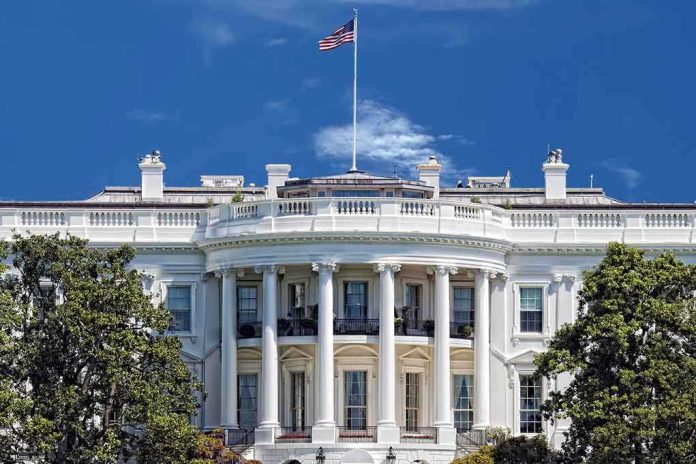
- The White House issued a sharp response to Springsteen’s accusations and inflammatory characterizations
- The track specifically names Trump administration officials and contains incendiary language describing federal agents as “King Trump’s private army”
- Limited independent verification exists for the specific claims made in the song about the Minneapolis incident
The Rapid Response From a Rock Icon
Springsteen compressed an entire production cycle into one weekend. He wrote “Streets of Minneapolis” on Saturday, January 25, recorded it Sunday, and released it Monday through SiriusXM’s E Street Radio. This rushed timeline reveals less about artistic inspiration and more about political calculation. The song memorializes Alex Pretti and Renee Good, two individuals Springsteen claims died during federal operations. His statement accompanying the release accused federal authorities of visiting “state terror” on Minneapolis, inflammatory language that demands scrutiny rather than reflexive acceptance.
Inflammatory Lyrics With Unverified Claims
The song’s lyrics paint federal immigration enforcement as a fascist crackdown, referring to agents as “King Trump’s private army from the DHS” and claiming racial profiling allows authorities to question or deport anyone with black or brown skin “on sight.” Springsteen names officials Miller and Noem, accusing them of spreading “dirty lies” about self-defense justifications. These are serious accusations presented as artistic truth without the burden of evidence. The song functions as political propaganda masquerading as humanitarian concern, with Springsteen positioning himself as a truth-teller while offering only his perspective on contested events.
The Missing Context Problem
Available information provides Springsteen’s version of events but lacks critical details about what actually occurred in Minneapolis. No independent investigation findings appear in media coverage. No official law enforcement statements detail the circumstances surrounding the deaths of Pretti and Good. No medical examiner reports verify causes of death or contradict federal accounts. The White House issued a “sharp response” according to reports, but the substance of that rebuttal remains unreported in detail. This information vacuum allows Springsteen’s narrative to dominate without challenge, a convenient situation for someone pushing a predetermined political agenda against immigration enforcement.
When Artists Bypass Journalism Standards
Springsteen leverages his celebrity platform to make factual claims about federal operations without adhering to the verification standards journalists face. He accuses federal agents of committing “state terror” and operating as a “private army” while memorializing victims whose circumstances of death remain publicly undocumented. If a news organization published these same accusations without corroboration, it would face credibility destruction. Artists escape this accountability because their work hides behind “expression” and “interpretation.” The result allows emotionally charged accusations to spread as if they were established facts, poisoning public discourse about legitimate law enforcement operations.
The Larger Pattern of Celebrity Political Activism
This incident fits a familiar template where entertainment figures with massive platforms inject themselves into policy debates they lack expertise to meaningfully address. Springsteen has built a decades-long brand as a working-class champion and social justice advocate, credentials his supporters cite to justify accepting his claims uncritically. But empathy for struggling Americans and opposition to genuine injustice don’t automatically translate into accurate understanding of federal immigration enforcement complexities or the operational realities ICE agents face. Celebrity status amplifies voices without improving their accuracy, creating asymmetric battles where elected officials defending legitimate government functions face artistic attacks wrapped in moral righteousness.
Federal Immigration Enforcement Realities
ICE operations target individuals who have violated immigration laws, including those with criminal records and outstanding deportation orders. Federal agents conducting enforcement operations face genuine dangers and follow protocols designed to protect both officers and subjects. Springsteen’s characterization of these operations as “state terror” delegitimizes law enforcement and encourages resistance that endangers everyone involved. His song lyrics suggest racial profiling allows indiscriminate questioning and deportation based solely on skin color, a claim contradicting actual ICE operational guidelines requiring probable cause and documentation. These distortions make political points at the expense of truth and public safety.
The White House Pushback
The administration’s sharp response to Springsteen’s song demonstrates appropriate defense of federal law enforcement against inflammatory accusations. When a celebrity with millions of followers characterizes immigration enforcement as fascist terror operations, allowing those claims to stand unchallenged legitimizes a dangerous narrative. The White House response signals that federal agencies will defend their personnel and operations against artistic propaganda campaigns. This pushback matters because silence in the face of such attacks emboldens further escalation and undermines public confidence in legitimate government functions. Springsteen can write whatever songs he wants, but the government has equal right to correct the record.
Sources:
Bruce Springsteen – Streets of Minneapolis – SiriusXM Blog