A sightseeing plane over Peru’s Nazca Lines turned into a fireball, and 13 people did not come home.
Quick Take
- Authorities said the small tourist plane crashed near Nazca and killed all 13 people on board.
- Reports identified the aircraft’s passengers as foreign tourists, along with two crew members.
- The flight had taken off from Pisco Airport and was headed over the Nazca Lines.
- Officials said the cause was still unknown and the crash was under investigation.
What Happened Over Nazca
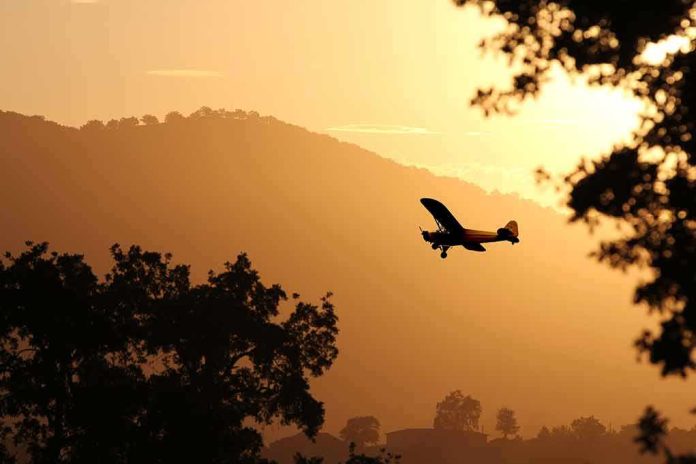
A small tourist plane crashed in southern Peru while flying over the famous Nazca Lines, killing everyone on board. Multiple reports placed the crash near Nazca, in the Pueblo Viejo area, and said the aircraft had departed from Pisco Airport before the accident.
The scene was stark even by aviation-disaster standards. Police and local reports said the plane caught fire after impact, and rescue crews could not save anyone inside. Police Major Jorge Andrade said there were 11 passengers and two crew members, and that there were no survivors.
Who Was On Board
The passenger list was described the same way across the strongest reports: 11 foreign tourists and two crew members. Reuters said the tourists came from Germany, Italy, and Spain, while other reports added that the group included seven Italians, two Spaniards, and two Germans.
That mix matters because it shows why this crash quickly became an international story. It was not just a local aviation accident. It was a foreign tourist flight over one of Peru’s best-known landmarks, which meant embassies, consular officials, and family contacts were pulled into the response almost immediately.
Why This Flight Drew So Much Attention
The Nazca Lines are a major draw for visitors, and sightseeing flights are a familiar part of the tourist economy there. That makes the crash more jarring. It happened during a routine type of trip in a place marketed for wonder, not danger. The aircraft was also widely identified as an Aerodiana plane, tying the crash to a local tourism operator.
Reports also noted that the plane had just taken off from Pisco and was flying toward the Nazca viewing area when it went down. That short route adds a painful detail to the story. This was not a long-haul journey or a complex international trip. It was a sightseeing flight, the kind passengers expect to feel simple and safe.
What Officials Knew, and What They Did Not
Officials moved quickly on the basics, but they did not have answers on the cause. Reuters said the reasons behind the crash were still unknown and that investigators would be launched. ABC News likewise reported that the cause was under investigation. That is the key line in the early record: strong facts on the outcome, weak facts on the trigger.
🚨BREAKING: Plan Crashes,13 Dead
A small plane carrying foreign tourists to view Peru’s famed Nazca Lines archaeological site crashed on Saturday, killing all 13 people on board, police said.
Seven Italians, two Germans and two Spaniards were killed, along with two crew… pic.twitter.com/hesWQXO0xo
— Mayegun (@mayegun1805) August 2, 2026
That gap is normal in the first hours after a crash, but it matters. Early reports can lock in the death toll and the passenger count before the technical record catches up. Here, the public already has a fairly clear picture of what happened, but not yet why it happened. Until Peru’s aviation investigators release more, the cause remains the open question.
Why the Story Feels Larger Than One Crash
Part of the emotional force comes from the setting. The Nazca Lines are a place people fly over for awe, not fear. When a plane falls there, the shock lands harder. Another part comes from the human shape of the loss. Foreign tourists, a local crew, and a popular route combined into one sudden disaster that spread far beyond Peru’s borders.
The strongest reporting leaves little doubt about the core facts. A small plane crashed near Nazca, 13 people died, and investigators are still working to explain how the flight ended in flames. The deeper story now shifts from the crash itself to the investigation that follows, because that is where the unanswered questions still live.
Sources:
youtube.com, nbcnews.com, abcnews.com, aljazeera.com, theguardian.com, foxnews.com, scmp.com, reuters.com