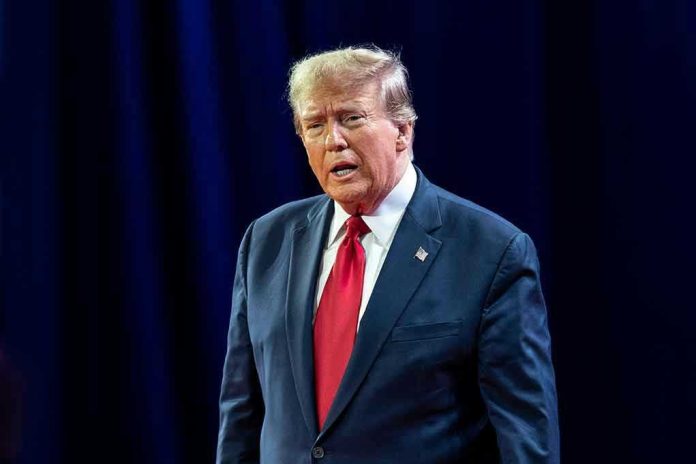
Trump’s Christmas Day airstrikes against ISIS in Nigeria may have delivered tactical victories, but experts warn the aggressive approach could fuel the very jihadist recruitment the operations aimed to crush.
Story Snapshot
- Trump authorized “numerous perfect strikes” on ISIS camps in northwest Nigeria on Christmas Day following public threats to enter “guns-a-blazing”
- Strikes followed escalating tensions including Nigeria’s designation as a religious freedom violator and addition to travel ban list
- Defense Secretary Hegseth signals “more to come” as AFRICOM confirms multiple ISIS terrorists killed in coordinated operations
- Security analysts worry the heavy-handed rhetoric and unilateral action could backfire by boosting ISIS propaganda and regional recruitment
From Threats to Missiles: Trump’s Nigerian Gambit Unfolds
The path to Christmas Day explosions began with November social media threats. Trump posted videos warning he would enter Nigeria “guns-a-blazing” over alleged Christian killings, instructing the Pentagon to prepare action while Defense Secretary Pete Hegseth confirmed military preparations. This public saber-rattling marked a dramatic departure from traditional diplomatic channels, telegraphing American intentions months before missiles flew.
The State Department escalated pressure by designating Nigeria a “Country of Particular Concern” for religious freedom violations and adding the nation to America’s travel ban list. These moves strained relations with Africa’s most populous country, setting the stage for the military confrontation that followed on Christianity’s holiest day.
Precision Strikes Meet Strategic Questions
AFRICOM executed the Christmas strikes with apparent tactical success, launching missiles from vessels in the Gulf of Guinea to hit ISIS camps in Nigeria’s volatile northwest. Multiple terrorists died in what officials called “precision hits,” with unclassified Defense Department video capturing the launch sequences. Nigerian authorities provided intelligence and coordination, legitimizing the operations under international law.
Yet the broader strategic picture reveals concerning gaps. The Sahel region faces a jihadist explosion that has claimed tens of thousands of lives across multiple countries, with most victims being Muslims in northern Nigeria rather than the Christians Trump claims to protect. This religious framing oversimplifies a complex security crisis that transcends faith boundaries, potentially alienating Muslim populations whose cooperation America desperately needs.
The ISIS Recruitment Paradox
Security experts identify a dangerous irony in Trump’s approach. While the strikes degraded immediate ISIS capabilities, the public threats and aggressive rhetoric handed terrorist groups a propaganda windfall. ISIS thrives on narratives of Western aggression against Muslim lands, using American military action to justify recruitment drives across the unstable Sahel corridor.
The timing compounds these concerns. Hegseth’s promise of “more to come” signals sustained military pressure, but without addressing root causes of instability in Nigeria’s northwest, strikes alone cannot solve the jihadist challenge. Historical precedents from Somalia to Yemen demonstrate how tactical victories can become strategic setbacks when local grievances fuel endless recruitment cycles.
Sources:
ABC News – Trump: US launched strike on ISIS terrorists in Nigeria
CBS News – U.S. launches strikes on ISIS targets in Nigeria, Trump says
Council on Foreign Relations – The Dynamics Behind Trump’s Decision to Bomb ISIS in Nigeria