
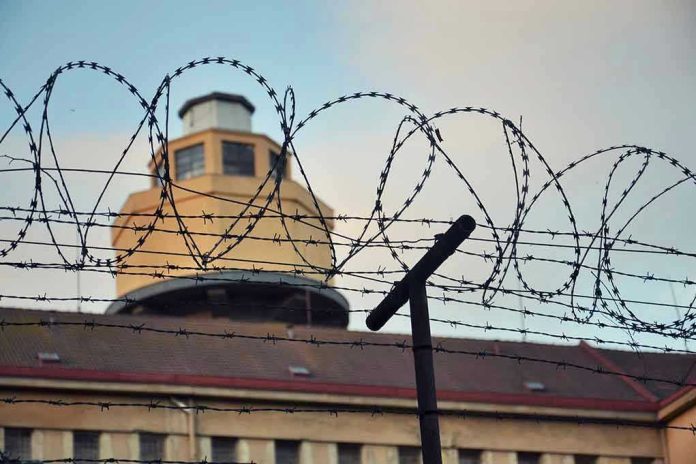
Someone tried to fly a surf-and-turf feast and a stash of weed into one of America’s deadliest prisons and the story tells you everything about where crime, tech, and common sense are colliding.
Story Snapshot
- A drone dropped steak, crab legs, marijuana, tobacco, and cigarettes into a South Carolina prison yard.
- Guards at Lee Correctional Institution intercepted both the package and the drone before inmates touched it.
- The “gourmet contraband” highlights how smugglers now use drones after fences and nets stopped old methods.
- South Carolina already made drone drops a felony, but the tech-versus-law cat-and-mouse is clearly just warming up.
Contraband Surf-and-Turf Above One of America’s Toughest Prisons
South Carolina corrections officials say a drone buzzed over Lee Correctional Institution in Bishopville on a Sunday morning and dropped a package into the prison yard that looked more like a tailgate party than a drug run. Inside the bundle: raw steak in grocery packaging, crab legs, Old Bay seasoning, bagged marijuana, cigarettes, and tobacco. Guards moved fast, seized the package, and then captured the drone itself before any inmate could grab so much as a cigarette.
The South Carolina Department of Corrections (SCDC) promptly went public, posting photos of the haul on X with the hashtag #ContrabandChristmas and letting the images do the talking. The photos showed the full spread laid out on a table, surf, turf, spice, and drugs side by side like a twisted holiday catalog. A spokesperson even quipped that the inmates who expected the package were probably “crabby,” a joke that may play for the cameras but still sits on top of a very serious security problem.
Why A Gourmet Drop in a Violent Prison Is No Laughing Matter
Lee Correctional Institution is not a low-stakes backdrop for a viral oddball story; it is a high-security men’s prison known for violence, long sentences, and inmates with behavioral problems. In 2018, seven inmates died and 17 were injured in a riot at Lee that national outlets called one of the deadliest prison uprisings in decades. Just a week before this drone incident, two inmates were killed in separate suspected homicides there, both under investigation by SCDC’s Inspector General, the S.C. Law Enforcement Division (SLED), and the county coroner.
Set that grim record beside a bag of crab legs and weed and the picture sharpens: this was not a prank; it was an attempted upgrade to the black-market economy that already fuels power, debt, and gang influence behind the fences. Drugs inside a place like Lee mean leverage. Tobacco and cigarettes are currency. Even luxury food can become status who can deliver comforts the state withholds. When a drone pierces the perimeter at such a site, it is not a punchline; it is a test of who actually controls the environment: the state or the contraband networks.
Drones as the New Contraband Catapult
For years, contraband entered prisons through low-tech methods: visitors, corrupt staff, or packages tossed or catapulted over the walls. South Carolina responded by raising perimeter fences and installing netting at the top to block those airborne deliveries. Smugglers adapted. Small drones now provide a quiet, GPS-guided workaround, slipping above razor wire and nets to drop payloads exactly where an inmate expects them. Corrections officials describe it as a “constant battle,” and the drone over Lee is simply the latest move on that chessboard.
State lawmakers did not ignore the trend. South Carolina made flying a drone near a state prison a misdemeanor with up to 30 days in jail and turned dropping contraband by drone into a felony carrying up to 10 years in prison. On paper, that sounds like classic deterrence: steep penalties, clear lines. Yet the Thanksgiving-adjacent “gourmet” drop suggests that for some operators, the profit or loyalty at stake outweighs the risk, especially if they assume low odds of being caught on the outside. That gap between tough laws and soft enforcement is where technology crime tends to thrive.
What This Reveals About Crime, Control, and Common Sense
No arrests had been made when the story broke, even though investigators now have both the drone and the contraband in hand. The device could carry serial numbers, flight logs, even fingerprints, but none of that guarantees a quick collar especially if it was bought secondhand or modified. Meanwhile, the inmates who expected that feast likely still walk the yard, their identities known only within inmate circles or to whatever gang structure manages contraband routes. The operation failed, but the demand that inspired it remains untouched.
From a conservative, common-sense perspective, this incident underlines three uncomfortable realities. First, raising fences and passing laws is necessary but not sufficient when criminals weaponize cheap consumer tech faster than government can regulate it. Second, a prison already infamous for riots and homicides now faces enemies not only at the gate but in its airspace, which argues for investing in serious drone detection and interdiction tools, not just more press releases. Third, any system that lets contraband markets flourish will keep breeding ingenuity—whether by catapult or quadcopter until leadership changes the incentives inside as aggressively as it patrols the skies.
Sources:
Fox (AP): “Drone drops steak, crab legs — and a side of contraband to SC prison”
CBS News: “Bizarre prison smuggling plot foiled in South Carolina”