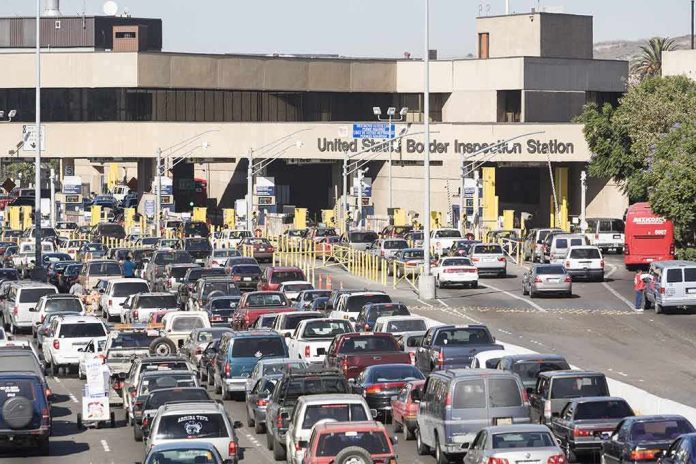
The United States halted its government activity in Mexicali for one day and told Americans there to stay away from government buildings because of a specific threat on August 25.
Story Snapshot
- The U.S. Embassy in Mexico suspended government activities and official travel in Mexicali on August 25 due to threat information.
- Americans in Mexicali were told to avoid government buildings and be ready to seek shelter if an incident occurred.
- The alert fits a pattern of short, location-specific warnings that do not share detailed intelligence.
- Mexico remains Level 2 on the State Department advisory, urging increased caution for crime, kidnapping, and terrorism.
What Washington Told Americans To Do, And Why It Matters
The U.S. Embassy and Consulates in Mexico issued a security alert for Mexicali and suspended U.S. government activities and official travel there on August 25 after receiving threat information. The alert warned U.S. citizens of a potential threat and urged them to avoid government buildings. The Consulate in Tijuana amplified that guidance and told people to be ready to seek shelter if an incident occurred. The message was clear: limit movement, avoid obvious targets, and stay alert until the risk window closes.
The suspension signaled that the government assessed a near-term, localized risk. These one-day pauses aim to lower exposure during a specific threat period, then reassess. The notice did not list the source or nature of the threat. That is normal for consular alerts, which protect sensitive collection methods and do not feed rumor mills. The audience is practical travelers, not analysts. The call to avoid government buildings suggests concern for soft-target crowding or symbolic sites rather than random street crime.
How This Fits The Broader Security Picture In Mexico
The State Department’s Mexico advisory already urges increased caution nationwide due to crime, kidnapping, and terrorism risks. Separate government security briefings have flagged parts of Baja California and nearby regions for cartel clashes, road blockages, and pop-up violence that can shift quickly. Business security reporting has at times warned specifically about tensions in the Mexicali Valley, including the risk of rival groups clashing in defined corridors and rural zones. Together, these advisories show a consistent theme: violence can surge with little public warning.
Short, narrow alerts like the Mexicali notice are common tools. They tend to be timed to intelligence that suggests risk in a specific place for a short band of time. Officials keep the language spare and the scope tight. That keeps trust with travelers who just need to know what to avoid today and what to watch for tomorrow. It also respects host-nation processes without broadcasting sensitive tips that could aid criminals. The result is blunt guidance, few details, and a fast return to normal operations once the window passes.
What Prudent Travelers Should Do Right Now
Americans in Mexicali should stick to the basics that work in every surge: avoid government buildings and large clusters of people, keep movements simple, and know two exit routes from any area. Have a charged phone, share live location with a trusted contact, and keep copies of key documents. If sirens sound, traffic halts, or social feeds report an incident nearby, move indoors, lock doors, and stay off windows until authorities give the all clear. The Consulate’s shelter guidance is the floor, not the ceiling.
The US Embassy in Mexico has issued an urgent security alert for Mexicali near the US border, citing a potential threat and urging travelers to exercise caution.https://t.co/OZ1nREMpzy
— The Traveler (@thetraveler_org) August 25, 2026
For travel planners, check the Mexico country page before crossing and map detours that avoid official complexes and crowded civic zones for the next 24–48 hours. If you run a small business with staff in border cities, build a simple “pause plan” you can trigger when a consular alert hits: remote work, delivery delays, and no visits to public offices. That kind of basic resilience honors common sense and protects people while officials work the problem. Most alerts lift fast; discipline in the gap prevents regret.
Why The Government Handles These Alerts This Way
Officials must balance two duties at once: warn the public and protect how they know what they know. Naming groups, methods, or targets can burn sources and invite copycats. Withholding every detail, however, would be useless. So they split the difference. They freeze official trips and tell citizens to steer clear of likely targets and be ready to shelter. That narrow, actionable guidance fits both the risk and American conservative values of personal responsibility and clear rules you can follow without drama.
Sources:
insiderpaper.com, heraldodemexico.com.mx, osac.gov, travel.state.gov, infobae.com, kyma.com