A Quranic chant echoed inside a Catholic university’s opening Mass, with the archbishop in the front row.
Story Snapshot
- Report says an Arabic Quran passage was chanted during KU Leuven’s opening Mass at St. Peter’s Church.
- Archbishop Luc Terlinden was present, according to witnesses cited by a contemporaneous outlet.
- A student group filmed the moment and called it incompatible with Catholic identity.
- Vatican norms forbid swapping Scripture readings for non-biblical texts during Mass.
What Happened In The Church, And Why It Sparked A Firestorm
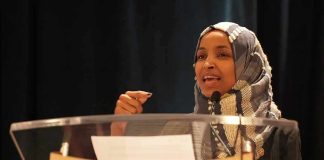
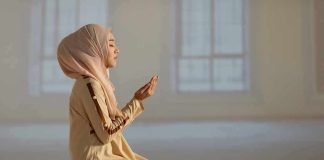
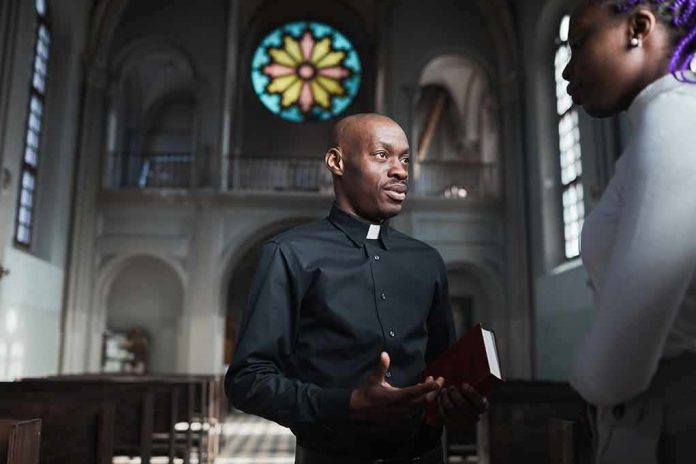
KU Leuven opened its academic year on September 16, 2026, with a Catholic Mass in St. Peter’s Church. During the ceremony, an Arabic Quran passage—identified as Surah 26:69–70—was chanted, asking, “What do you worship?” Reports say Archbishop Luc Terlinden attended and sat in the front row with clergy. A student-linked group recorded the moment and published it online. The clip lit up debate because it appeared to place a non-biblical text inside a Catholic liturgy.
KVHV-Leuven, a student organization tied to the university, criticized the inclusion. The group argued that KU Leuven stands on a Christian foundation and should not weave Islamic prayer into a Catholic Mass. Their statement framed the act as part of a trend to find a “middle ground” between faiths that they see as theologically at odds. The group also claimed this had happened the year before as “interreligious dialogue,” though independent confirmation of that detail was not produced in the gathered record.
Why The Placement Inside A Mass Matters Under Catholic Rules
The central question is not diversity. It is liturgy. Catholic worship follows clear norms. The Holy See’s instruction Redemptionis Sacramentum forbids replacing the set biblical readings with non-biblical texts during Mass. That rule is strict and unambiguous. Even revered Catholic writings cannot replace Scripture, much less texts from another religion. If the chant occurred within the readings or a comparable slot, critics see a bright-line breach of liturgical law.
Defenders of interfaith gestures often point to educational settings or special ceremonies. Some past statements tied to KU Leuven suggested an aim to “remain Catholic” while opening to other worldviews, including allowing non-Catholic intercessions. That framing, if accurate, would cast such inclusions as prayer intentions rather than readings. The present reporting does not pin down the exact slot of the chant in the order of Mass, which leaves a key fact unresolved.
The Evidence We Have, And What We Still Need To Know
The basic facts rely on outlet reporting and a student group’s recording. Reports identify the text as from the Quran and place the event inside the opening Mass. Witnesses cited by name-brand outlets say Archbishop Terlinden was present. What remains unclear is who authorized the chant, the exact timing within the liturgy, and how it was introduced to the assembly. No official program or diocesan statement appears in the record gathered so far.
"A passage from the Quran asking 'What do you worship?' was chanted during the opening Mass at Catholic KU Leuven attended by Archbishop Luc Terlinden" – https://t.co/AoW4kmsQIX
— Novus Ordo Watch (@NovusOrdoWatch) September 21, 2026
Common sense and conservative instincts align with the Church’s own guardrails: keep the Mass recognizably Catholic by protecting Scripture and core prayers. If the chant replaced or blurred those parts, expect a sharp backlash. If it fell outside the readings and was clearly marked as an interreligious moment, the debate shifts. It then becomes a prudential question: was this wise, pastorally helpful, and faithful to the university’s Catholic mission?
What Comes Next: Clarity, Not Spin
Facts can settle this. Publish the full order of worship. Release complete video with timestamps. State who approved each element and why. If the chant sat inside a non-reading moment, label it and explain the intent. If it displaced Scripture or mimicked a reading, acknowledge a mistake and correct course. The rule here is simple: biblical readings at Mass are not a mix-and-match exercise. They are the backbone of worship, not a venue for experiments.
Sources:
lifesitenews.com, advaticanum.com, hungarianconservative.com, pal.be, ewtnvatican.com