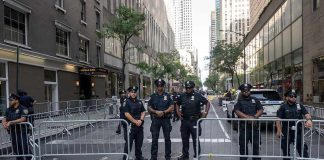
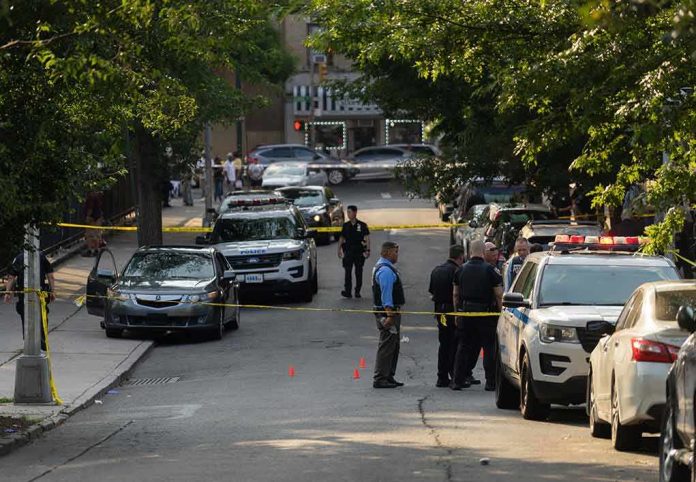
Body-camera audio captured a Long Beach officer telling federal agents, “You’re on your own,” as a crowd pressed in during an ICE arrest.
Story Snapshot
- Body-cam shows a local officer saying police were ordered to withdraw from an ICE scene.
- Homeland Security says agents were surrounded, harassed, and obstructed during the arrest.
- Long Beach Police say they focused on safety, de-escalation, and then pulled back.
- The clash spotlights the gray zone between sanctuary limits and officer protection.
What The Footage And Statements Actually Show
Homeland Security described an October 17 enforcement action in Long Beach where Immigration and Customs Enforcement agents tried to make an arrest but faced a hostile crowd that blocked paths and interfered. In body-camera audio, a Long Beach officer tells agents, “We’re being ordered to pull out… you guys are on your own,” crediting the directive to a watch commander. That single exchange fueled a broader charge from federal officials that local sanctuary politics now risk the safety of federal officers.
Long Beach Police Department confirmed it responded but framed its role as keeping the peace, not helping execute immigration law. The department said officers tried to clear the area, keep routes open, and provide aid to a bleeding detainee. It emphasized that immigration enforcement is a federal job, while local officers’ priority is public safety. The department said it withdrew once there was no longer a public-safety need on scene, aligning with sanctuary-law limits on involvement.
The Safety Question At The Center
The safety issue cuts through the noise. If federal officers face a crowd that blocks exits and menaces agents, local police protection is not a political favor; it is basic order. Homeland Security’s account says agents were harassed and surrounded during the arrest. That claim, paired with the “you’re on your own” audio, supports the federal view that the local pullback came at the worst moment, when a uniformed buffer mattered most. From a common-sense, conservative lens, crowd control is a core police duty, regardless of the target’s immigration status.
Long Beach says it did that duty first, then disengaged. The department cites steps to de-escalate, direct cars and people, and provide medical help, before leaving once the scene stabilized. That narrative aims to separate “not helping with civil immigration” from “walking away from officer safety.” The body-cam line shows an order to withdraw. It does not, by itself, prove why the commander made that call or whether the crowd still posed a serious threat at that instant.
What We Know, What We Don’t
Some facts are firm. Federal officials released the audio clip and placed the event on October 17 in Long Beach. The line about withdrawal is on tape. The Department of Homeland Security blasted city and state sanctuary leaders and linked reduced cooperation to increased risk for agents. Long Beach published its own account stressing public-order duties, medical aid, and statutory limits on immigration work, along with the claim that officers withdrew after safety needs eased.
LONG BEACH POLICE TOLD SURROUNDED ICE AGENTS: "YOU'RE ON YOUR OWN. GOOD LUCK."
Bodycam caught a Long Beach officer telling ICE agents, "We're being ordered to pull out. So you guys are going to be on your own. I'm sure you're used to it. Good luck." He said the order came from… pic.twitter.com/6v5QbPYNPl
— BelannF (@BelannF) November 28, 2026
Other pieces remain hazier. The available public record does not show the full crowd size, detailed arrest logs for alleged obstructors, or the watch commander’s written rationale. The record also does not pin the withdrawal order directly on sanctuary law, even as the federal side ties the moment to that policy climate. That gap matters. Policies can shape culture and choices, but proving that link requires the command chain, radio traffic, and unedited video.
Why This Moment Resonates Nationally
This clash captures a growing national tension: police caution about joining immigration actions versus the duty to stop mobs from menacing any officer. Voters can hold two thoughts. One, local agencies should not be dragooned into civil immigration enforcement they do not control. Two, when federal officers call for help because a crowd is blocking and threatening them, local police should stand the line until the danger is gone. That balance reflects both constitutional roles and street-level realities.
What Accountability Should Look Like Now
Officials should release full body-camera files, dispatch audio, and the watch commander’s reasoning to settle the sequence. If the crowd still posed risk when the withdrawal order went out, city leaders owe the public a clear rule to prevent a repeat. If officers had already restored safe exit lanes and medical needs were met, the city should show that timeline. Federal officials should also document the target’s legal basis for arrest and any interference that meets charge thresholds.
Bottom Line For Readers Who Want Order
Americans expect two things at once: fair laws and firm peacekeeping. The tape captured a jarring line at a tense moment. The federal account paints a scene where agents needed a shield and did not get it. The city insists it did the shield work, then stepped back. Release the full record, lock in a mutual-aid playbook, and make one promise stick everywhere: no officer, federal or local, stands alone while a crowd closes in.