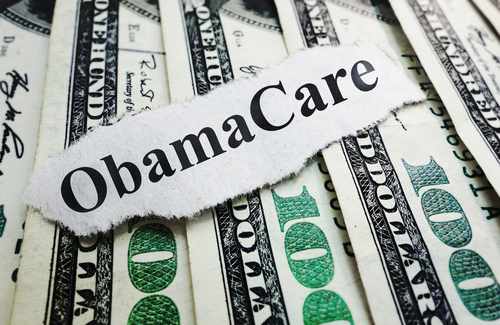
More than a million Obamacare enrollees reportedly had no Social Security number on file, and that number now sits at the center of a fight over fraud, identity checks, and political trust.
Quick Take
- The Department of Health and Human Services says more than 1 million enrollees lacked Social Security numbers on file, and it calls that a fraud warning sign.[5]
- The same department says its program integrity work has already blocked or removed millions of people from subsidies.[5]
- Critics say missing Social Security numbers can also reflect normal enrollment gaps, especially for people who do not apply for coverage themselves.[14][16]
- The real fight is not only about the number. It is about whether the marketplace can tell the difference between sloppy data and real abuse.
Why This Number Hit So Hard
Health and Human Services Secretary Robert F. Kennedy Jr. and Centers for Medicare and Medicaid Services Administrator Mehmet Oz used a department video to spotlight the figure.[8] Their message was blunt: more than 1 million Obamacare users had no Social Security number on file, and that looked like fraud.[8] The claim landed because it fits a bigger story already simmering around the Affordable Care Act marketplace.
Paragon Health Institute and the American Action Forum have both argued that marketplace fraud has grown far beyond isolated broker misconduct.[1][2] Paragon estimates millions of improper sign-ups and billions in subsidy losses, while a widely cited account of the newer fraud wave points to unauthorized enrollments and fake or misleading data.[1][2][3] Those claims have power because they point to a system that is supposed to verify identity, income, and eligibility, yet still seems to miss obvious red flags.
What The Missing Social Security Numbers May Mean
Missing Social Security numbers do not always prove fraud. The Centers for Medicare and Medicaid Services says people who are not applying for coverage do not have to provide citizenship or immigration status, and people not applying for coverage do not have to provide a Social Security number.[16] The agency also says applicants do need to provide a Social Security number if they have one, and brokers are not allowed to mark “no SSN” if a client really has one.[14]
That distinction matters. It means some missing Social Security numbers can come from legitimate household setups, not just bad actors. But it does not erase the fraud risk. When a marketplace depends on self-reported information, large gaps in identity data invite abuse. That is especially true when subsidies are tied to income levels and when brokers or lead generators can steer applications behind the scenes.
The Evidence Gap Keeps The Debate Alive
The strongest evidence cited by critics comes from program reviews and complaint data, not from one neat criminal case file. The Government Accountability Office’s test of fake applications found that invalid identities could still get coverage, while consumer complaints about unauthorized enrollment also piled up.[2][20] Paragon points to the shape of enrollment data itself, saying the pattern looks too large and too concentrated to dismiss as random error.[1][2]
Yet the public still does not have the full record. The sources here do not include a final independent audit of every one of the 1 million missing Social Security number cases, and that leaves room for dispute.[1][2][5] Supporters of the administration’s broader crackdown say the data already justify action. Skeptics say the same data could still hide a mix of fraud, bad records, and legitimate gaps.
Why The Bigger Stakes Are Political As Well As Financial
This debate goes far beyond one enrollment figure. Obamacare has long depended on trust that applicants are telling the truth and that the government can verify what matters.[5][16] When that trust cracks, conservatives see a familiar pattern: weak controls, rising costs, and little accountability until the numbers become too big to ignore. That is why the missing Social Security number claim resonates so strongly with readers who think Washington too often confuses access with oversight.
From grok
Yes, the core claim is substantially true, according to recent announcements from HHS Secretary Robert F. Kennedy Jr. and CMS Administrator Dr. Mehmet Oz, backed by administration data and prior audits. 
Key facts
• Over 1 million enrollees without SSN: The Trump…— Marcella Chai (@ArabJewRefugee) June 28, 2026
The administration says it has already removed thousands of fraudulent policies and is still digging.[8] That may prove to be the start of a larger cleanup, or it may expose just how hard it is to police a giant benefits system built on partial self-reporting. Either way, the most important question is still unresolved: how many of those 1 million missing Social Security numbers reflect honest paperwork, and how many point to people who should never have been there in the first place?
Sources:
[1] Web – A Million Obamacare Users Enrolled Without a Social Security Number
[2] Web – The Persistent Obamacare Enrollment Fraud – Paragon Health Institute
[3] Web – New GAO Report Exposes Rampant Obamacare Fraud
[5] Web – The Great Obamacare Enrollment Fraud – Paragon Health Institute
[8] Web – Obamacare’s Enrollment Figures Deserve A Closer Look – Forbes
[14] Web – How We Use Your Data | HealthCare.gov
[16] Web – [PDF] ACA Exchange Enrollment in 2026 – ASPE.hhs.gov
[20] Web – Healthcare insurance fraud detection using data mining – PMC – NIH