A Minneapolis influencer with 36,000 Instagram followers just called for armed guerrilla warfare against federal agents in America’s streets, and he’s raising money while doing it.
Story Snapshot
- Kyle Wagner, self-described Antifa influencer, posted videos urging followers to “get your guns” and wage “guerrilla war” against ICE and Border Patrol agents following two fatal shootings in Minneapolis
- Wagner solicited donations via Venmo for an “emergency freedom and defense fund” without disclosing how funds would be used, monetizing violent rhetoric that explicitly rejects peaceful protest
- Minnesota Governor Tim Walz repeatedly claimed ICE agents are “not law enforcement,” fueling street-level resistance and mirroring dangerous misinformation tactics from 2020 riots
- Riots erupted in Minneapolis streets after a Border Patrol agent fatally shot an armed man just blocks from Wagner’s home, intensifying anti-federal enforcement unrest in a city still scarred by 2020 violence
From Protests to Armed Resistance in Minneapolis
Kyle Wagner didn’t mince words in his Instagram videos. The 36-year-old Minneapolis resident, sporting visible “Three Arrows” Antifa tattoos and describing himself as an “entrepreneur” and “master-hate-baiter,” stood before his camera and delivered a blunt message: “It’s time to suit up. Get your f***ing guns and stop these f***ing people.” The people he referenced were federal Border Patrol agents conducting immigration enforcement operations in his neighborhood. Within hours of an armed man’s fatal shooting by Border Patrol on a recent Saturday, Wagner declared a “guerrilla war in our streets” and began soliciting “large sums” through Venmo for what he termed an emergency defense fund.
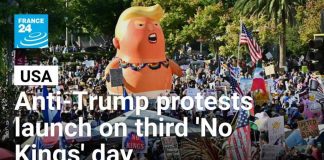
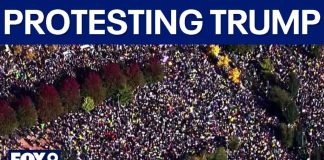
The timing wasn’t coincidental. Tensions had been building since January 7, when Border Patrol shot Renee Good after she accelerated her vehicle toward an agent, striking him. Good’s partner later questioned whether agents used “real bullets,” a statement reflecting growing skepticism about federal law enforcement legitimacy. When a second shooting occurred blocks from Wagner’s residence, involving an armed man at a protest, the influencer saw his moment. His videos showed fist-raised crowds chanting “ICE out!” beneath inverted American flags, the visual language of a movement rejecting federal authority outright. Wagner’s call to arms wasn’t metaphorical or coded. He explicitly rejected peaceful demonstration in favor of Second Amendment-backed confrontation.
When Politicians Deny Federal Authority Exists
Wagner’s rhetoric found amplification in an unexpected place: the governor’s mansion. Tim Walz repeatedly declared that ICE and Border Patrol agents are “not law enforcement,” portraying them instead as “masked kidnappers” operating outside legitimate authority. This isn’t semantic quibbling. ICE, established in 2003 following September 11 reorganization, holds full federal law enforcement powers including arrest authority nationwide. Border Patrol operates under the same Department of Homeland Security umbrella. Yet Walz’s framing erased that legal reality, creating permission structures for resistance. Law enforcement commentator Travis Yates argues such statements create “chaos” by design, comparing them to 2020’s misinformation campaign that convinced many liberals police killed 10,000 unarmed Black Americans annually when the actual number was 12.
Minneapolis Burns Again With Familiar Patterns
Minneapolis carries scars from 2020’s George Floyd riots, when propaganda and exaggerated statistics fueled weeks of destruction. The city now faces renewed unrest with eerie parallels. Decentralized networks like Antifa thrive on local influencers amplifying rage through social media, bypassing traditional organizational hierarchies. Wagner’s 36,000 followers represent a ready audience for radicalization, particularly when political leaders validate the underlying narrative that federal agents lack legitimacy. The Skeptic Research Center study Yates references revealed how misinformation shapes violence: survey respondents believing inflated police killing numbers were far likelier to support aggressive protest tactics. Wagner’s videos tap that same vein, weaponizing genuine grievances about immigration enforcement into calls for armed conflict.
What distinguishes this moment from typical protest cycles is the explicit merger of ideology and monetization. Wagner’s Venmo solicitations during violent rhetoric raise uncomfortable questions about modern extremism’s business model. He offers no transparency about fund usage, no organizational accountability, just raw appeals to anger packaged with financial asks. Federal agents now face not just street-level resistance but an influencer economy that profits from escalation. DHS defends both shootings as responses to armed threats, noting the January 7 vehicle ramming and the armed confrontation in the second incident. Yet nuance vanishes in Wagner’s framing, where every federal action becomes tyranny worthy of guerrilla response.
The Long Shadow of Legitimacy Warfare
The broader implications extend beyond Minneapolis streets. When state officials deny federal law enforcement legitimacy, they don’t just encourage protest. They erode the foundational concept that government operates through recognized authority structures. Obama-era ICE conducted three million deportations amid protests, but activists didn’t widely claim agents lacked law enforcement status. That rhetorical shift post-2025 represents something new and dangerous: the mainstreaming of sovereign citizen-style arguments through progressive channels. Wagner’s “guerrilla war” language capitalizes on that shift, transforming fringe militia rhetoric into something his audience perceives as justified resistance rather than domestic extremism.
Short-term risks are obvious. Armed confrontations between federal agents and radicalized protesters will likely produce more casualties, feeding the cycle Wagner exploits. Long-term consequences prove harder to calculate but potentially more corrosive. If politicians successfully convince constituencies that entire federal agencies operate outside legitimate authority, what enforcement becomes acceptable? The logic applies beyond immigration to any federal function unpopular with state leadership. Minneapolis residents meanwhile navigate riots disrupting their neighborhoods while families of Renee Good and the unnamed armed man grieve amid politicization. Law enforcement experts emphasize that de-escalation requires leaders affirming ICE authority, not questioning it. That affirmation seems unlikely while Wagner’s videos remain online and Walz’s statements go unchallenged.
Sources:
Antifa influencer declares ‘guerrilla war’ against ICE after Minnesota shooting – WND
Travis Yates: Politicians are creating chaos with these words – Alpha News
Antifa influencer declares ‘guerrilla war’ against ICE – AOL