A Utah judge said cameras help the public see justice, and then allowed them as the Kirk family pressed for full transparency.
Story Snapshot
- Judge Tony Graf said electronic coverage supports public access and accountability.
- Prosecutors said cameras fight conspiracy theories by showing facts in real time.
- Erika Kirk demanded cameras so the public can understand what happened to her husband.
- The judge denied a categorical camera ban and set a process for media access.
The Ruling That Set The Tone For Openness
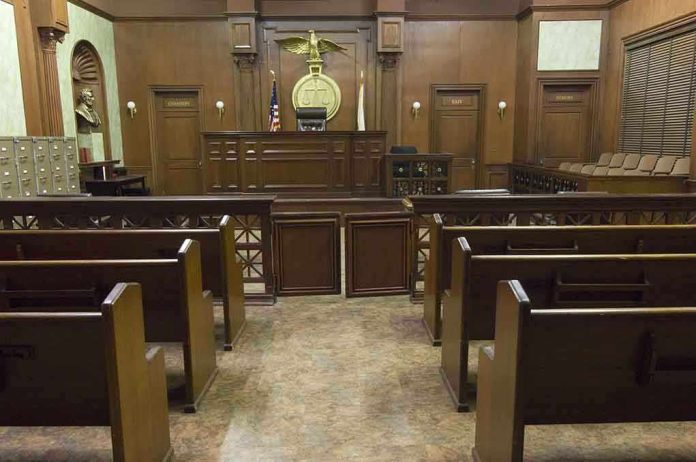
Judge Tony Graf told a packed courtroom that electronic media coverage helps the public’s right to see justice and holds the system to account. He denied a blanket bid to shut out cameras and microphones, citing Utah’s rule that presumes media access when the goal is journalism. He set procedures for how media can request access going forward, including timing and page limits, which formalize the door he kept open. That framework will now shape the hearing room and the narrative beyond it.
PRELIMINARY HEARING UPDATE: CHARLIE KIRK ASSASSINATION CASE EXPLAINED
We are nearing the end of day two in the multi-day preliminary hearing for Tyler Robinson, the man accused of fatally shooting conservative activist Charlie Kirk at Utah Valley University. Prosecutors… pic.twitter.com/f3HLDnsXKs
— Crime Talk with Scott Reisch (@CrimeTalkNet) July 7, 2026
Prosecutors backed the judge’s line. They argued that daily, on-camera coverage would cut through rumor by forcing facts onto screens, not into whispers. They plan to show evidence in court and let the public judge the order and weight of it. They also previewed that video played in open court tracks the defendant’s actions at key moments. That is the type of record that either builds trust or corrects false claims when people see it with their own eyes.
The Kirk Family’s Push For Transparency
Erika Kirk asked for cameras without hedging. She said the country deserves to see the evidence and the process so there is no doubt about what happened to her husband. That demand fits a core American value: sunlight strengthens trust. Her view also matches the prosecution’s stance that steady, public proof beats rumor mills. But one limit remains clear. No formal order compels the court to release every text, file, or clip. The request for full public release has not been granted on paper.
The court did allow more visual evidence into the open record. Prosecutors released surveillance that traces the suspect’s path on the day in question, and the court played a clip of the defendant turning himself in. These steps anchor the story in time and place, and they give the public a baseline to weigh claims and push back on wild theories. This approach reflects a simple truth: when people can watch, they judge more fairly than when they are told to just trust.
The Defense Strategy: Seal, Slow, And Warn Of Bias
The defense team asked to seal evidence to protect the jury pool, citing claims of media distortion and emotional bias from video and audio clips. They warned that broad exposure could taint jurors before trial. They also accused prosecutors of ethical lapses in press outreach and argued those statements risked the presumption of innocence. The judge refused a categorical seal. He chose a path that leans toward access while keeping tools to handle true prejudice when it shows up.
This is an evident hearing only. If the prosecution had enough evidence, it would go straight to a grand jury. The bar is really low at this hearing to go to trial. The defense has not had a full chance to audit the text messages, file Motions in Limine to exclude prejudicial…
— Shelley (@TallShelley) July 8, 2026
Defense experts said many locals already know the case and hold views, which raises fair trial concerns. That point deserves respect because a clean jury matters to both sides. Still, the court’s fix is not to blindfold the public. It is to manage access with rules, guard the voir dire process, and correct errors in real time. That mix better reflects common sense than turning off cameras and telling citizens to wait quietly in the dark.
What Comes Next: Structure, Scrutiny, And A Narrow Gap
The judge’s new media request routine adds structure but may slow fast access. He set a lead time and short filings that keep the process tidy. Critics will say that feels like a brake pedal. In practice, it creates a paper trail and reduces gamesmanship from either side. The real test will be simple: do the public and press see enough, fast enough, to hold trust? If the answer is yes, the ruling will stand as a model for hard cases.
The facts on record now show three pillars. First, the court embraced cameras as a tool of accountability. Second, the state leaned into showing, not telling, including open-court video. Third, the family demanded sunlight to settle doubt. The only unresolved piece is the scope of evidence released outside the courtroom. That remains a live motion opportunity, but not a granted right. The case will play out on screen and in court, where truth should win if everyone can see it.
Sources:
pjmedia.com, apnews.com, pbs.org, youtube.com, facebook.com, atty.utahcounty.gov