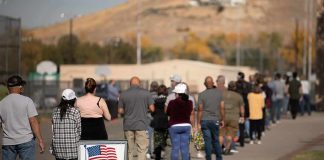
A late software update knocked Westchester County’s ballot scanners out of sync, forcing emergency paper backups while votes kept coming.
Story Snapshot
- State officials tied the failure to an incomplete programming update, not hardware.
- Scanners that missed the update rejected ballots rather than miscounted them.
- Voters still used paper ballots, sealed under bipartisan oversight for later scan.
- Technicians worked to deploy corrected media and restore scanners countywide.
What Broke: A Countywide Programming Mismatch
The New York State Board of Elections said a programming change after initial testing caused the Election Day disruption across Westchester County. A change tied to one municipality required updated election programming. The county deployed the update for early voting and for Election Day machines in that municipality. Many other Election Day scanners never received it. Those scanners could not recognize the ballots in use and rejected them at the feeder rather than tally them.
State officials drew a bright line: the problem was recognition, not tabulation. Machines that lacked the update did not alter vote totals because they refused to accept ballots they could not read. The state also said there were no identified ballot-paper defects. That statement countered early chatter about paper thickness causing jams. The core failure lived in mismatched ballot definitions, not in the stock, ink, or scanners’ mechanics.
How Voting Continued Without Scanners
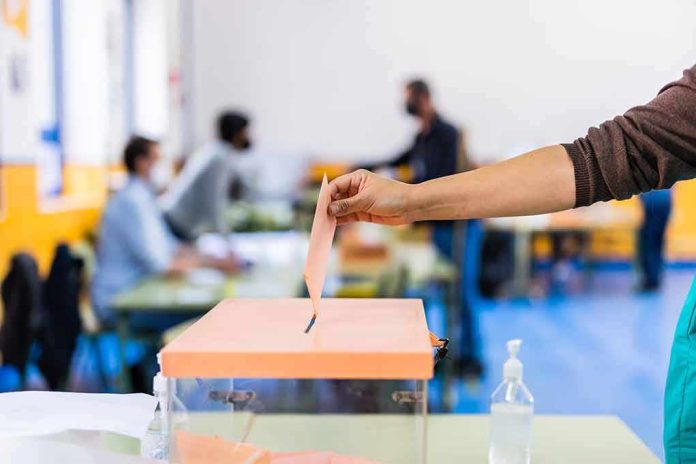
Poll sites pivoted to emergency procedures used in many states. Voters marked standard paper ballots at the booths. Poll workers placed completed ballots into sealed emergency bags under bipartisan custody. Officials said those ballots would be scanned and counted under established rules once corrected media arrived or at central count. Local television showed the orange bags set aside and monitored, reinforcing the chain-of-custody focus as lines moved.
The county worked with state staff and technicians to push fixes across sites. The target was simple and concrete: at least one working scanner at each polling place as fast as possible. Replacement election media carried the correct programming so the scanners would accept the day’s ballots. Syracuse.com reported the countywide programming root cause and the field effort to restore scanning capacity during voting hours.
Why The Explanation Holds Up
The sequence fits how optical-scan systems fail when ballot definitions do not match. A scanner reads timing marks and contest layout tied to a precise definition file. If officials change a contest after testing and some machines never get that update, older files will not match the printed ballot. Scanners then refuse the feed. That is exactly what the state described, and it matches known, non-malicious failure modes for paper scan systems seen in past elections and studies.
Administrative safeguards also lined up. Emergency bags, bipartisan custody, and later scanning exist for this scenario. These steps protect voter intent when equipment is down. They do not rely on faith alone. They rely on forms, seals, logs, observer access, and reconciliation at canvass. The state’s account supports the narrow claim that mis-tabulation did not occur through this error path because the ballots were not accepted at all, much less counted wrong.
What Officials Need To Show Next
Westchester County’s chief executive called the situation unacceptable and promised a review of where accountability lies. That review should produce basic artifacts: change tickets, deployment logs, and a list of which sites received updated media when. Those records will answer the only question that matters for prevention: how a late change cleared testing but missed broad deployment. Straight answers strengthen trust far more than spin ever will.
Three checks can close the loop. First, publish a clean reconciliation: every ballot placed in emergency bags matched to later scanner totals and poll books. Second, document the technical fix with a simple timeline and the exact file versions used. Third, confirm that pre-election testing covered all ballot styles after the change. These steps are common sense, align with conservative values of transparency and competence, and keep future Election Days boring—in the best way.
Sources:
townhall.com, elections.ny.gov, netswire.usatoday.com, westchester.news12.com, thecrotonchronicle.substack.com