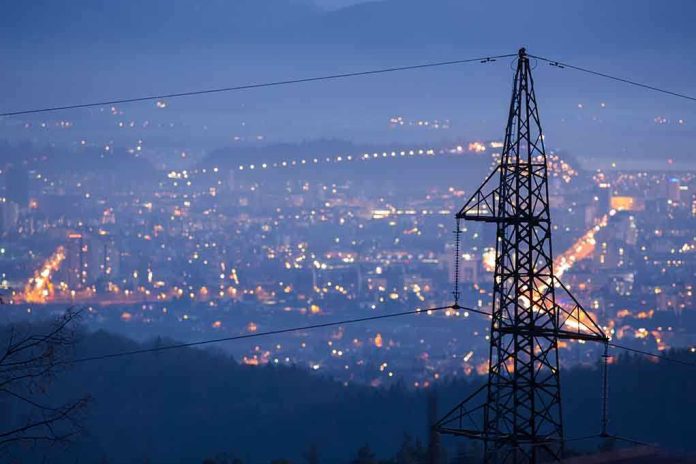
Copper wire thefts have plunged Los Angeles neighborhoods into darkness, causing millions in damages and revealing a deeper crisis in urban infrastructure.
Story Snapshot
- Copper wire thefts have led to blackouts in Los Angeles neighborhoods and iconic landmarks.
- The financial impact of these thefts is over $100 million since 2020.
- Repair backlogs and public safety risks are growing concerns.
- Efforts to combat this crime include new technologies and law enforcement strategies.
Widespread Darkness and Economic Impact
The theft of copper wires from streetlights and infrastructure in Los Angeles has not only plunged neighborhoods into darkness but also resulted in financial damages exceeding $100 million since 2020. Over 27,000 miles of wiring are at risk, with nearly half of the 46,000+ outage requests in 2024 linked to thefts. This surge in criminal activity has left city officials scrambling to address the growing repair backlogs and public safety risks associated with unlit streets and disrupted services.
In areas like Pico-Union and Los Feliz, residents have faced months without street lighting, exacerbating concerns about crime and safety. The thefts are not just impacting streetlights but also critical infrastructure such as EV chargers and 5G networks. The sheer scale of Los Angeles’s streetlight network, with over 250,000 lights and 500,000 entry points, makes it a prime target for thieves seeking the valuable metal.
Public Safety Concerns and Infrastructure Strain
Public safety is a significant concern, with darkened streets potentially facilitating criminal activities. The shooting of actor Johnny Wactor in 2023 highlighted the dangers associated with unlit areas. The backlog of repairs, which can take 9 to 12 months, further exacerbates these risks. The Los Angeles Bureau of Street Lighting, with fewer than 200 staff for the entire network, faces immense pressure to address these outages in a timely manner.
The LAPD’s Heavy Metal Task Force has been instrumental in targeting both the thieves and the scrap dealers who purchase stolen copper. Despite some successes in reducing complaints, the problem persists, with new incidents occurring regularly. The high value of scrap metal continues to incentivize theft, making it a lucrative criminal enterprise.
Technological and Legislative Responses
In response to the crisis, city officials have been exploring technological solutions such as theft-proof solar lighting and fortified infrastructure. Companies like Fonroche Solar Lighting are providing innovative alternatives that promise reliable illumination without the risk of wire theft. The installation of over 1,000 solar units is underway, aiming to reduce the vulnerability of traditional lighting systems.
Legislative efforts are also being pursued, with new laws targeting metal theft expected to take effect in 2026. These laws aim to impose stricter penalties on offenders and regulate the sale of scrap metal more closely. City Council members, such as Nithya Raman, are pushing for faster repairs and more robust anti-theft measures to protect public safety and infrastructure.
Ongoing Challenges and Future Outlook
Despite these efforts, challenges remain. The repair backlog is significant, with over 37,000 requests pending by September 2025. The city continues to face an uphill battle in securing its infrastructure against theft. Community advocates and residents are vocal about the need for more immediate solutions to ensure their safety and well-being.
As Los Angeles moves toward implementing new technologies and legislative frameworks, the hope is for a more secure and resilient infrastructure system. The ongoing battle against copper wire theft serves as a reminder of the vulnerabilities inherent in urban environments and the need for vigilant and innovative responses to evolving threats.