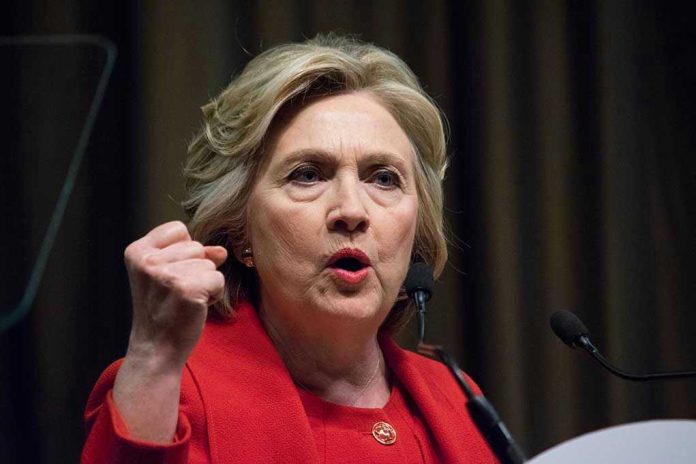
A single “don’t be nervous” jab at Munich exposed how fast the West now pivots from tanks and treaties to culture war shorthand.
Story Snapshot
- A Munich Security Conference panel on “the state of the West” turned into a viral clash between Hillary Clinton and Czech Deputy PM Petr Macinka on February 15, 2026.
- Macinka argued Trump-era politics grew as a backlash to “woke” excesses, including gender ideology and cancel culture, and he pushed back on Clinton’s framing of Ukraine support.
- Clinton snapped back by reframing “gender” as women’s rights, openly affirmed she dislikes Trump, and challenged rationales for reducing aid to Ukraine.
- The viral “shutdown” narrative oversells a moment that was actually a multi-topic dispute about values, sovereignty, and the boundaries of public debate.
Munich 2026: When a Security Forum Became a Values Trial
The exchange happened at the Munich Security Conference on February 15, 2026, during a panel billed around Western cohesion. Clinton arrived as the familiar American elder stateswoman, while Macinka represented a newer Eastern European posture: blunt, sovereignty-first, impatient with ideological policing. The clash spread quickly because it felt like a compressed referendum on the post-2024 order—Trump’s return, Ukraine fatigue, and the cultural fights that now ride shotgun with foreign policy.
Viewers didn’t share it because they learned something new about NATO strategy. They shared it because the argument mirrored conversations at family tables: what counts as “rights,” what counts as “reality,” and why every disagreement now gets treated as a moral emergency. The Munich stage simply gave the dispute a premium backdrop, with an audience primed to interpret every sentence as a signal of where the West is headed.
What Macinka Actually Pressed: Trump, “Woke,” and the Limits of Labeling
Macinka’s core move was to connect Trump’s appeal to a broader backlash against elite cultural enforcement. He criticized “woke” politics as a package: gender identity disputes, climate activism as lifestyle catechism, and the social pressure campaign often described as cancel culture. He also complained about the habit of smearing opponents as fascists or Nazis, urging people to “learn how to talk.” That last point mattered because it wasn’t policy; it was a demand for rules of engagement.
American conservatives will recognize the logic: if institutions punish dissent, voters eventually reward the person who breaks the script. That doesn’t require idolizing Trump or importing every U.S. grievance into Europe. It does require admitting cause and effect. When governments, media, and NGOs treat cultural debates as settled science and disagreement as hate, the backlash becomes predictable. Macinka essentially argued that Clinton’s side helped build the runway Trump landed on.
Clinton’s Counterpunch: Turn “Gender” into Women, Turn Trump into Consequences
Clinton’s sharpest reply came when “gender” entered the conversation. Rather than debate academic frameworks, she narrowed the lens to women’s rights—an attempt to force a moral choice: if you question modern gender ideology, you’re threatening women. She also acknowledged, plainly, that she dislikes Trump because of what she believes he has done to the United States and the world. It was less persuasion than an assertion of stakes, delivered with the confidence of someone who expects allies to nod.
Her best factual ground was Ukraine. Clinton challenged any justification for reduced support, putting pressure on the idea that Western security can tolerate ambiguity about sovereignty. On this point, even many conservative voters split: they want accountability, burden-sharing, and defined end goals, but they also dislike watching aggressors bank territorial gains. Clinton tried to make the choice binary. Macinka resisted the binary by broadening the argument to legitimacy at home.
The Viral “Shutdown” Frame: Entertainment Disguised as Analysis
The internet rewarded facial expressions, clipped quotes, and the “don’t be nervous” line because they create winners and losers in under 30 seconds. That framing also blurs what happened. Gender was not the sole subject; it was one flashpoint inside a wider dispute about Western identity, political backlash, and Ukraine. Calling it a “shutdown” makes it sound like a knockout when it functioned more like a messy cross-examination, with both sides speaking to their own bases.
Common sense helps here: if a conversation needs editing tricks to look decisive, it probably wasn’t. The more interesting question isn’t who “destroyed” whom. It’s why these conferences now produce viral culture war content at all. The answer is uncomfortable for establishment voices: cultural legitimacy has become inseparable from strategic legitimacy. Leaders can’t sell hard choices abroad if their voters think they’re being lectured at home.
Why This Moment Resonated: Eastern Europe’s Rising Demand for Realism
Macinka’s presence signaled something American audiences often miss. Eastern European governments live closer to hard borders, migration routes, and Russian pressure, so they tend to distrust fashionable abstractions. When Macinka pushed back on Clinton, he wasn’t only defending Trump; he was defending a style of politics that prioritizes sovereignty, social stability, and plain language over ideological refinement. That style plays well with people who feel institutions stopped answering basic questions honestly.
From a conservative viewpoint, the most credible part of Macinka’s posture was procedural: stop moral blackmail, argue the facts, and let voters breathe. From Clinton’s side, the most credible part was strategic: Ukraine isn’t a campus debate, and deterrence fails when the West signals fatigue. The tension is real. Democracies can’t sustain foreign commitments if citizens suspect leaders are using those commitments to launder unpopular cultural agendas.
What Happens Next: The Real Fallout Is Narrative, Not Diplomatic
No official diplomatic rupture followed, and the panel ended without resolution. The consequences will be subtler: more polarization online, more clips used as ammunition, and more suspicion that “Western values” means whatever the speaker already believes. That’s the deeper risk. When language collapses into slogans—“woke,” “rights,” “fascist,” “democracy”—foreign policy becomes theater, and theater becomes a substitute for strategy. Munich simply revealed the trend in high definition.
Americans over 40 have seen this movie before: institutions chase fashion, voters revolt, elites call the revolt dangerous, and the cycle tightens. The Munich exchange didn’t prove one side is virtuous and the other corrupt. It proved that the West can’t even agree on how to argue anymore. Until that changes, every security summit will keep generating viral moments that feel like politics—and solve nothing.
The next time a clip promises a “shutdown,” watch what gets cut: the context, the tradeoffs, and the hardest question of all—whether the West still shares enough common assumptions to act like an alliance instead of a crowd.
Sources:
Hillary Clinton clashes with Czech leader over Trump policies at Munich Security Conference
First learn how to talk: Czech deputy PM destroys Hillary Clinton in dramatic Munich faceoff