
Taco Bell is under scrutiny in a parasite outbreak that has shaken Michigan and spread across the Midwest, but officials have not publicly confirmed the chain as the source.
Quick Take
- Federal and state health officials are investigating whether Taco Bell may be tied to a multistate cyclosporiasis outbreak, yet they have not confirmed a direct link.
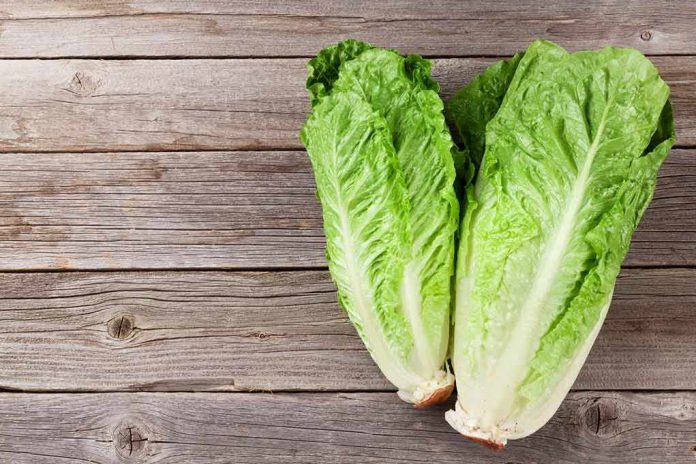
- Michigan officials say early interviews point to lettuce or salad greens, which fits how Cyclospora usually spreads through contaminated fresh produce.
- Taco Bell says officials have not confirmed a link to the chain, any ingredient, supplier, restaurant, or retailer, and its ingredient changes are precautionary.
- The outbreak has created a public health race against the clock, because epidemiologic clues can arrive before laboratory proof.
Why Taco Bell Entered the Story
Federal and state health officials began looking at Taco Bell after reports of a large cyclosporiasis outbreak linked to cases in several Midwest states. The parasite causes a harsh intestinal illness with watery diarrhea, and it often spreads through contaminated raw produce. That matters because investigators quickly focused on lettuce and salad greens, not on a confirmed restaurant failure.
Michigan health officials said early interviews with more than 1,000 patients kept bringing up lettuce as a common food. Dr. Natasha Bagdasarian said the state did not yet have a definite product, grower, or supplier, but the pattern kept pointing toward leafy greens. That kind of clue is important in outbreak work. It can narrow the search before lab tests catch up.
What Officials Have and Have Not Said
The strongest fact in this story is also the most limited one: investigators have not announced a public recall tied to Taco Bell, and federal officials have not publicly confirmed the chain as the source. Taco Bell said public health officials have not confirmed a link to the chain or any specific ingredient, supplier, restaurant, or retailer. That is a real distinction, and it matters.
At the same time, public health agencies do not wait for perfect proof before acting. The Centers for Disease Control and Prevention explains that outbreak investigations rely on three kinds of data: epidemiologic clues, traceback work, and food or environmental testing. In past restaurant outbreaks, those clues have pointed to lettuce or salad mixes long before the final testing story was complete.
Why Produce, Not the Restaurant, Is the Likely Battleground
Cyclospora is not a mystery bug that jumps from fryer baskets or soda machines. It spreads when people eat food or drink water contaminated with human waste, and fresh produce is a common route. That is why investigators are looking hard at lettuce, cilantro, and similar items. The problem may sit far upstream, in the farm or distribution chain, long before food reaches the counter.
This is where the public often gets ahead of the evidence. A restaurant can become the face of an outbreak even when the contamination started elsewhere. The Food and Drug Administration says previous cyclosporiasis investigations found that sick people often reported eating a variety of leafy greens, and the work then turned to traceback and environmental evidence. That pattern fits this case more than a clean, finished answer does.
Why the Suspicion Spread So Fast
Taco Bell’s temporary ingredient removals fueled the rumor mill. Signs at some Michigan locations reportedly said lettuce, cilantro, pico de gallo, and guacamole were unavailable because of a recall. That visual alone can make a chain look guilty. But voluntary removal is not the same as confirmation. It is often the first move a company makes when a health probe is moving fast and the public is watching.
Taco Bell says it is cooperating with an investigation into a cyclosporiasis outbreak and has temporarily removed certain ingredients from select restaurants as a precaution. pic.twitter.com/zouFVc8UKX
— Breaking911 (@Breaking911) July 15, 2026
There is also history here, and history shapes judgment. Taco Bell was clearly linked to a 2006 Escherichia coli outbreak, with shredded lettuce among the ingredients tied to illness. That old case still shadows the brand. It makes people quicker to assume the same answer again. Common sense says that is understandable, but not the same thing as proof.
What This Means Right Now
The careful reading is simple. Officials are investigating Taco Bell, but they have not said the chain caused the outbreak. Michigan’s data points toward lettuce or salad greens, and that is consistent with how cyclosporiasis usually works. The more important story is not a verdict. It is how quickly a vague public health pattern can harden into a public narrative before the science finishes its job.
Sources:
townhall.com, washingtonpost.com, reuters.com, freep.com, forbes.com, businessinsider.com, nbcnews.com, cdc.gov, stacks.cdc.gov, independent.co.uk, pmc.ncbi.nlm.nih.gov