Burning Man officials confirmed a second attendee death this year, even as investigators say foul play is not suspected in the first case.
Story Snapshot
- Organizers reported a man in his mid-50s died after a medical emergency on site.
- A second attendee, identified as 60-year-old Craigh Mann, was found dead in his camp.
- Pershing County Sheriff said the first case showed no signs of foul play, pending review.
- Officials posted condolences and said investigations continue as standard practice.
Two Confirmed Fatalities, Clear Timelines
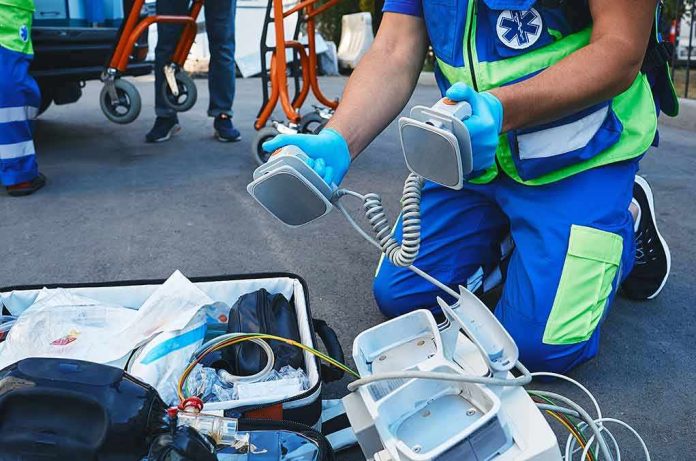
Burning Man Project said a male participant in his mid-50s suffered a medical emergency, received lifesaving efforts, and was pronounced dead at the on-site emergency center. The group shared the update after notifying authorities and the family, describing the sequence of care and outcome in plain terms. The Pershing County Sheriff later said the case showed no signs of foul play at this stage. The office noted the man was found unresponsive Thursday evening and could not be revived.
Organizers also confirmed a second fatality days later. Burning Man named the participant as Craigh Mann, age 60. Campmates found him unresponsive in his camp on Saturday afternoon, according to statements the group released. The organization expressed condolences and said support teams were working with those affected, following their normal protocols for crisis response and coordination with local agencies.
What Authorities And Organizers Are Actually Saying
Pershing County Sheriff Jerry Allen told local media that the first case remains under review but that investigators do not suspect foul play based on current facts. He provided a date and time for the response, adding that medical teams at Black Rock City attempted resuscitation without success. Burning Man’s own statement emphasized the swift response, on-site transport, and medical efforts before pronouncement, which aligns with established emergency procedures at the event’s staffed clinic.
For the second case, Burning Man’s message centered on identification and timing. The group named the decedent, stated where he was found, and confirmed the hour of discovery. The release avoided speculation about cause of death and kept the focus on facts the organization could validate, which is the responsible posture while a medical examiner completes the work. That measured phrasing fits normal mass-gathering practice, where cause is a medical call, not an immediate field judgment.
Patterns, Base Rates, And Plain Sense
Large outdoor events sometimes see medical emergencies and rare fatalities. That pattern does not make any death routine, but it does explain why agencies speak carefully until final reports land. Burning Man’s updates and the Sheriff’s language track that standard. One report said the first case showed no evidence of foul play, which most readers will hear as good news, with the normal caveat that examiners still certify the cause. The second case was reported with name, location, and timing, then left to the coroner’s process.
Second Attendee Dies at Burning Man 2026 Just Days Before Festival’s End
Burning Man officials said in a statement that campmates found Craigh Mann, 60, deceased at his camp on Saturday, September 5, at approximately 3 p.m. The organization did not disclose a cause of death or… pic.twitter.com/FCDzZqlQlv
— BeezLoop News 📰🗞️ (@BeezLoop) September 7, 2026
Common sense applies here. Treat confirmed facts as the floor: who, when, what aid was given, and whether detectives see signs of a crime. That is what the Sheriff and organizers supplied. Everything else, including the why behind a medical collapse or a death in a camp, belongs to the medical examiner. The conservative instinct favors order, clear roles, and patience with procedures. Let the doctors and deputies finish the job, then judge the safety talk with the full record in hand.
Sources:
feedpress.me, abcnews.com, rgj.com, nypost.com, aol.com