Congress’s own researchers now count 81 U.S. aircraft lost or damaged in the Iran war, with a replacement bill that could reach $3.3 billion.
At a Glance
- Congressional Research Service lists 81 U.S. aircraft hit since February 28.
- Estimated replacement costs range from $1.9 billion to $3.3 billion.
- The tally includes crewed jets, tankers, helicopters, and drones.
- Some damaged aircraft likely returned to service; not all are total losses.
Congress’s Tally: What 81 Actually Means
The Congressional Research Service assembled a list of 81 U.S. military aircraft that were destroyed or damaged in Operation Epic Fury since February 28. The researchers drew from Defense Department statements, United States Central Command updates, a Pentagon inspector general report, and credible news accounts. The count is not a pure list of wrecks. It mixes destroyed airframes with aircraft that took damage but may be flying again. That nuance matters for readiness and cost.
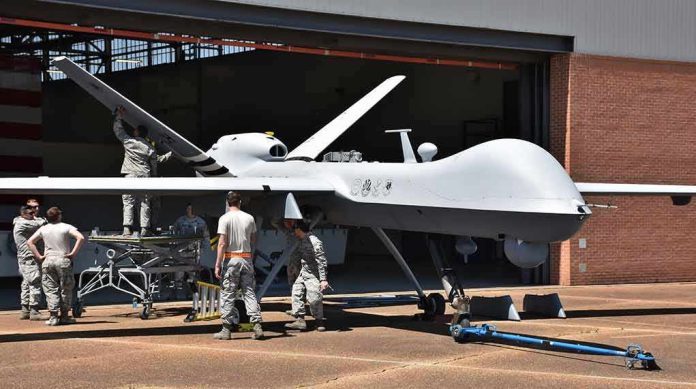
The roster spans the air wing. It includes fighters like the F-15E Strike Eagle, a small number of stealth and specialty aircraft, tankers such as the KC-135 Stratotanker, helicopters, and many uncrewed systems. Drones absorbed a large share of losses, as they often do in high-tempo surveillance and strike roles. The shape of that list tells a story: persistent missions over threat zones chew through unmanned fleets first, then stress the crewed backbone that enables range and payload.
The Money Question: Replacement, Repair, And Time
Congress’s cost bracket—$1.9 billion to $3.3 billion—reflects replacement prices, not the final repair bill or opportunity cost. Replacing a tanker, rebuilding a fighter, and replenishing a drone squadron draw on different supply chains. Some fixes are quick. Some take years. The upper figure signals pressure on production lines already running hot to meet Indo-Pacific and European needs. Dollars alone do not restore depth; time on the factory floor and in depot lines does.
Lawmakers will ask two hard questions. First, how many of the 81 will never return to flight, and what does that do to squadron readiness in the next six to twelve months? Second, how fast can industry fill the gap without robbing other theaters? Those answers drive supplemental funding choices, depot priorities, and whether to accept more risk at home to cover risk abroad. That is the core trade-off when losses stack up faster than deliveries arrive.
Why The Number Grew: Wartime Math Is Messy
The same Congressional Research Service product listed 42 aircraft in May. By October, that total rose to 81 as more incidents became public and as damage-versus-loss sorting improved. This is a normal wartime pattern. Initial counts understate attrition, then climb as reports surface and are vetted. The climb does not mean the sky is falling; it means the ledger is catching up with the fight. One brief caution from the researchers: some damaged aircraft rejoined the fleet.
Public tallies always lag operations because combat reporting is split across commands, services, and security levels. Congress relies on independent compilers to stitch together a usable picture. That patchwork can frustrate oversight, but it also serves a purpose. It forces a common baseline so appropriators can act. The October update gives them that baseline, with enough fidelity to weigh costs and timelines without exposing tactics or classified capabilities.
What This Says About The Air War’s Demands
The mix of losses points to three operational truths. First, drones remain the tip of the spear and the shock absorber. They scout, strike, and soak up risk that would otherwise fall on pilots. Second, tankers and surveillance aircraft are high-value assets that need tight protection in contested zones, because each loss ripples across every sortie plan. Third, fighters doing sustained strikes and escorts face cumulative wear and tear that shows up as “damage” before it shows up as “loss”.
Conservative common sense says count everything that affects combat power, then fix what is fixable and replace what is not. The report aligns with that rule. It does not sensationalize. It names the scope, flags the costs, and reminds readers that not all damage is permanent. The policy test now is simple: fund depot work now, plus targeted buys where production exists, while guarding the tankers and enablers that keep the rest of the force in the air.
Sources:
military.com, kurdistan24.net, tribuneindia.com, rawstory.com, thehill.com, ground.news