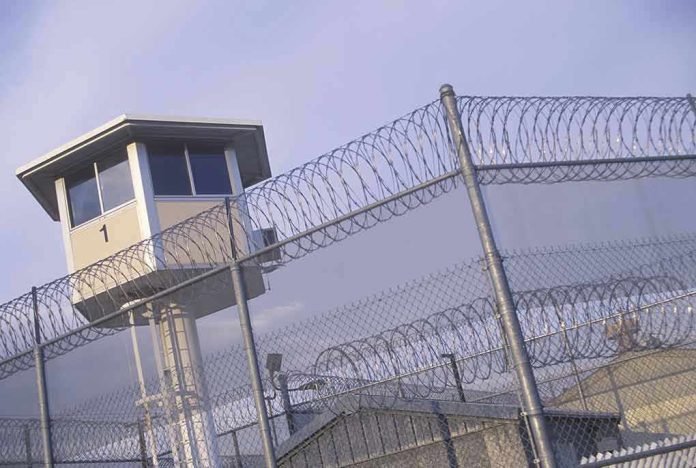
Cuba just freed over 2,000 prisoners in what Havana calls a humanitarian Easter gesture, but the timing tells a different story about pressure, oil, and geopolitical chess moves.
Story Snapshot
- Cuba announced pardons for 2,010 prisoners on April 2, 2026, framing it as an Easter humanitarian act
- The releases come days after Trump eased an oil blockade, allowing Russian tankers to deliver desperately needed fuel to Cuba
- This marks the fifth mass pardon since 2011, bringing total releases to over 13,000 prisoners
- Serious offenders including murderers, sexual predators, drug traffickers, and those convicted of crimes against state authorities remain excluded
- Cuba insists the pardons are sovereign decisions while the US continues demanding political prisoner releases
The Delicate Dance of Diplomacy and Desperation
Cuba’s announcement carries the scent of pragmatism wrapped in piety. The government frames these 2,010 pardons as reflecting the “humanitarian legacy of the Revolution,” timed perfectly with Holy Week. Yet the calendar reveals a more complicated picture. Just days before the announcement, President Trump permitted a Russian oil tanker to breach what had been an effective fuel blockade. Russia then announced a second tanker shipment would follow. When a communist regime facing energy starvation suddenly finds breathing room and immediately releases prisoners, calling it coincidence strains credulity. The Cuban presidency carefully selected who walks free: young offenders, women, those over 60, foreigners, and citizens abroad with good conduct and substantial time served.
Who Stays Behind Bars Matters Most
The exclusion list speaks volumes about Havana’s red lines. Cuba explicitly barred pardons for anyone convicted of murder, sexual assault, drug offenses, theft, illegal livestock slaughter, or crimes against authorities. That final category deserves attention. While the regime touts humanitarian credentials, it protects itself first. The US has long demanded Cuba release political prisoners, those who challenged the government’s authority. This pardon wave conspicuously sidesteps that core American demand. Cuba gets credit for mercy while keeping dissidents locked up. It’s a calculated move that yields international goodwill without surrendering control. The 2,010 figure itself represents careful calibration, large enough to generate headlines but excluding anyone who might threaten regime stability upon release.
A Pattern Emerges from Revolutionary Tradition
This marks Cuba’s fifth Easter pardon initiative since 2011, part of what has become an established pattern. The cumulative total now exceeds 13,000 releases over 15 years. Cuba has effectively institutionalized periodic mass pardons, blending revolutionary rhetoric with Catholic tradition in a country governed by communist atheists. Weeks before this announcement, Havana pledged to free 51 prisoners as goodwill toward the Vatican, suggesting the regime maintains multiple diplomatic channels. These releases serve domestic purposes too, easing prison overcrowding and potentially reducing costs. But the timing always seems to align with moments when Cuba needs something, whether papal influence, international sympathy, or in this case, relief from crippling fuel shortages that threatened to darken the island.
The Oil That Greases Diplomatic Wheels
Trump’s decision to ease the oil blockade represents the kind of transactional diplomacy that conservatives appreciate when it advances American interests. Cuba was starving for fuel, Russia stood ready to supply it, and the US held veto power over tanker passage. By permitting the delivery, Trump created leverage without formal negotiations. Cuba responds with prisoner releases, though carefully avoiding the political detainees Washington wants most. This dance benefits all parties in limited ways: Cuba gets fuel, Russia demonstrates alliance value, and the US can claim its pressure works while maintaining sanctions elsewhere. The approach reflects hardheaded realism over ideological rigidity, using economic pressure as a tool rather than a permanent cudgel, extracting concessions where possible without surrendering core demands for genuine political freedom on the island.
What Freedom Really Means Here
For 2,010 individuals and their families, these pardons represent genuine relief regardless of geopolitical motivations. Mothers reunite with children, elderly prisoners return home, young offenders get second chances. Cuba’s government will photograph these reunions, broadcast the tears and embraces, and present them as evidence of revolutionary compassion. Meanwhile, an unknown number of political prisoners, those who dared criticize the regime or advocate for democracy, remain in cells. Their families get no announcements, no Easter miracles. The pardons reveal Cuba’s enduring calculation: show mercy where it costs nothing politically, maintain iron control where it matters. American pressure continues because the regime’s fundamental nature hasn’t changed. These releases, however welcome for those freed, don’t represent reform but rather tactical flexibility from a government that has mastered survival through six decades of pressure, isolation, and now, carefully calibrated gestures of clemency.
Sources:
Cuba pardons 2010 prisoners amid United States pressure – NZ Herald
Cuba pardons over 2,000 prisoners amid US pressure – Le Monde
Cuba pardons 2,010 people as the US pressures the island’s government – WRAL