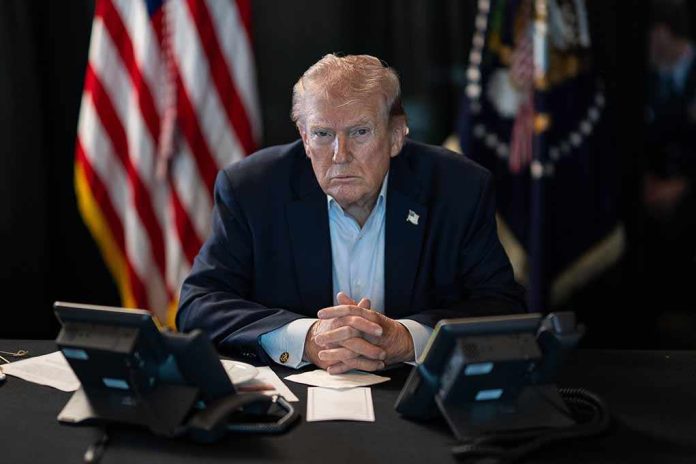
Trump told supporters that paying more at the pump is a small price to stop a hostile regime from getting a nuclear weapon, and the fallout hit fast.
At a Glance
- Trump cast higher gas prices as a temporary tradeoff tied to national security.
- Gas averaged about $4.20–$4.30 per gallon in early September, per auto club data cited by major outlets.
- Polls show most voters blame Trump for the surge, citing the Iran war and supply shock.
- Energy agencies tie price spikes to Middle East disruptions and tight global stocks.
What Trump Said And Why It Landed Like A Grenade
Trump told a rally crowd that paying “a tiny little bit more” for gas is worth it to keep a terror-sponsoring state from getting nuclear weapons, and that prices would come down later. The message framed pain at the pump as patriotism with a time limit. That case can work if the “later” shows up fast. It rarely does in oil markets under stress. People pay now. Benefits, if they come, arrive much later and often feel abstract.
He has also said current prices are “not very high, relatively speaking,” pointing to levels lower than peaks under his predecessor, while linking recent bumps to the Iran conflict. Critics seized on the phrase “very inexpensive price to pay,” calling it tone-deaf during a cost-of-living squeeze. The politics here are brutal: voters do not grade on a curve when the station sign blinks four dollars and up. They want relief, not macro lessons.
What Drivers Actually Paid, And Where The Pain Hit First
Auto club data cited by national outlets pegged the national average near $4.22 to $4.27 per gallon in early September, up from about $3.19 a year before. Some states, led by California, ran well higher. Reports also flagged diesel around record levels, which bleeds into freight costs and grocery bills. A quick jump in August gasoline prices accounted for over a third of that month’s inflation gain, federal data showed. That is not a rounding error for family budgets.
On trend charts, prices had eased from prior spring highs but ticked up as the Iran war ground on, refinery runs tightened, and storms threatened supply routes. Averages hide the rough edges. Rural drivers often face longer commutes and fewer station discounts. Small businesses that run vans or trucks absorb the first punch, then pass it on. The squeeze compounds when food, rent, and insurance also rise.
Voters Assigned Blame, And They Were Not Subtle
A Reuters and Ipsos poll reported that 77 percent of registered voters give Trump at least some blame for higher gas prices, with many tying it to the Iran war decision. An NPR and Marist survey found more than eight in ten households felt strain from fuel costs, and a majority blamed Trump for the increase. Quinnipiac University polling also showed most voters pinned the rise on him to some degree. That is not a social media trend; that is a cross-tab headache.
Fair or not, the rule has held for decades: presidents own the pump. The public rarely separates global shocks from domestic choices. When a White House argues “temporary tradeoff,” voters hear “you go first.” The smarter political play is to pair the hard ask with visible, near-term relief. Gas tax holidays, faster refinery waivers, and aggressive shipping moves can buy time. Without that, the tradeoff story looks like a lecture.
Why Prices Jumped, In Plain Terms
Energy agencies link much of the surge to disrupted flows through the Strait of Hormuz and tight inventories after Middle East conflict cut supply and raised risk premiums. Oil traders price fear. A rumor about a tanker attack can lift crude by dollars in minutes. That jump becomes cents per gallon within days. When stocks run low and refiners flip blends for seasons, spikes get worse. No president controls that switchboard, but policy signals can calm or rattle markets.
House Republican Meeting Turns Into Shouting Match: ‘This Is Fucking War!’
Speaker Mike Johnson summoned top GOP members to discuss suspending the gas tax, but the session got ugly and personal.
https://t.co/yqQAO5qbvE— Steve Williams (@HISteveWilliams) September 16, 2026
The common-sense yardstick says this: national security matters, but leaders must shield citizens while they prosecute it. Conservatives value strength and stewardship. That means deter enemies and keep families mobile. Trump’s case for a short, necessary sacrifice lines up with the first goal. The polls suggest he is losing the second. To close the gap, the White House needs proof at the pump: more supply on the water, faster permits, leaner rules, and a clear, dated path to lower prices.
Sources:
mediaite.com, rev.com, usatoday.com, usgasgauge.com, cnn.com, huffpost.com, washingtontimes.com, theguardian.com