After Ukraine’s latest strike on the Crimean Bridge, Vladimir Putin said Russia will not negotiate limited ceasefires and vowed a “much more painful” response.
Story Snapshot
- Putin publicly tied a halt to ceasefire talks to strikes on the Crimean Bridge.
- He warned Russia’s retaliation will be “much more painful” than the bridge damage.
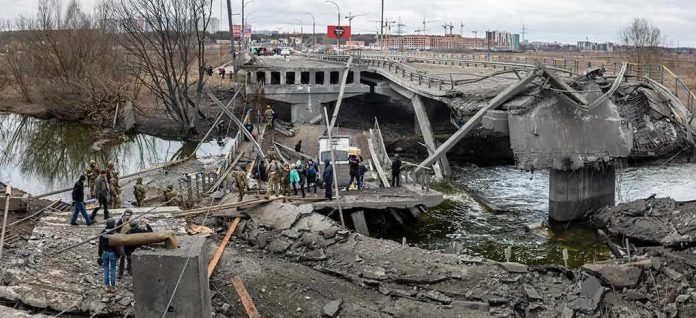
- Reports said the strikes disrupted traffic and damaged key spans of the bridge.
- Ukraine said the bridge supports Russian war logistics and claimed a planned operation.
Putin Halts Ceasefire Talks After Bridge Strike
Russian President Vladimir Putin said Russia will not negotiate limited maritime or energy ceasefires after the latest strike on the Crimean Bridge. He linked the decision directly to the attacks and promised a response. He spoke at a press event following high-level meetings in Shenzhen. His statement moved the war away from any narrow pauses and toward more open-ended retaliation. He said agreements would not follow bridge strikes, and that Russia would respond to them.
Putin’s warning was blunt. He said the Russian response would be “much more painful” than what Ukraine caused on the bridge. Independent coverage described the pledge but did not detail targets, timing, or legal basis. That leaves the scope and aim of any strike unclear. Still, the message was meant to deter further attacks on the link to occupied Crimea. It also signals Moscow will trade away limited de-escalation to press for battlefield leverage.
What The Bridge Strike Did And Why It Matters
Reports said the latest attacks damaged or destroyed parts of the Crimean Bridge and forced traffic suspensions. The bridge connects mainland Russia to occupied Crimea and is a major symbol of Russia’s hold on the peninsula. Disruption there strains road and rail flows and can rattle public confidence. The event also raised military questions about Russia’s ability to protect the crossing. It followed earlier strikes that had already tested the bridge’s defenses and repair capacity.
Ukraine and many Western outlets describe the bridge as a crucial military route. They argue it helps move troops, ammunition, and fuel that sustain the war in southern Ukraine. The Kyiv Independent reported it is the fastest path to move reinforcements to Crimea. This view paints the bridge as a fair military target in wartime. It also explains why attacks focus on spans and arches that carry heavy loads and rail traffic across the strait.
Kyiv’s Account And Claims Of A Planned Operation
Ukrainian President Volodymyr Zelenskyy said the strike was a response to Russian attacks on Ukrainian infrastructure. He called it part of a planned, multi-stage operation by Ukraine’s Security Service and the General Staff. His statement presented the action as deliberate and coordinated over weeks, not a one-off hit. Kyiv’s framing supports its claim that the bridge serves Russia’s war machine and that targeting it reduces Moscow’s ability to fight.
Ukraine’s messaging also aims to counter Russia’s claim that the bridge is primarily a civilian link. Kyiv stresses military value to justify risk and effort. The two narratives collide: Moscow warns of harsh retaliation, while Kyiv touts method and impact. This clash raises the stakes for both sides. It also reduces space for narrow talks on energy or shipping that could protect civilians from winter blackouts or food supply shocks.
What Putin’s Decision Means For U.S. Interests
Putin’s refusal to negotiate limited ceasefires hardens the conflict and threatens wider instability. Energy grids and shipping lanes matter to American families. Fewer safeguards can mean higher fuel costs, food price spikes, and more global shocks. President Trump has pushed for pressure and clarity in talks, not blank checks. Any window for narrow deals now looks smaller after Putin’s public red line on the bridge strikes.
Putin regarding the Ukrainian (actually UK/NATO) strike on the Kerch Bridge:
“Our response will be much more painful than what Kyiv did to the Crimean Bridge. I want everybody to know that.” pic.twitter.com/55QI2ivdt7
— Professor Iratus Genium (@PGenium) November 19, 2026
For conservatives, the lesson is simple: strength and clear goals deter chaos. Endless, fuzzy “mini-deals” invite games and leave citizens to pay the bill. Moscow’s move shows that conditional pauses can vanish the moment the Kremlin wants a talking point. Washington must protect our energy security, stop wasteful foreign blank checks, and keep pressure focused on ending the war on terms that serve American interests and global stability.
Key Unknowns And The Road Ahead
Open questions remain. Independent proof of every strike detail and full cargo records for the bridge are not publicly available. Reports differ on the bridge’s exact military use today and on the full extent of structural damage. Russia has promised retaliation but has not detailed how, when, or where. These gaps matter, but they do not change the main fact: Putin publicly tied negotiations to the bridge and walked away from limited ceasefire talks for now.
Sources:
cbsnews.com, hromadske.ua, themoscowtimes.com, ukrinform.net, independent.co.uk