In the chaotic aftermath of a fatal ICE enforcement operation, protests in Minneapolis raise tensions without the dramatic thefts and doxxing some claim.
Quick Take
- Protests erupted after an ICE agent fatally shot Renee Nicole Good during an operation.
- Demonstrators blocked ICE vehicles, leading to arrests and minor vandalism.
- No credible reports of rifle looting or agent doxxing during the events.
- The situation highlights escalating tensions between federal enforcement and local opposition.
Protests Erupt After Fatal Shooting
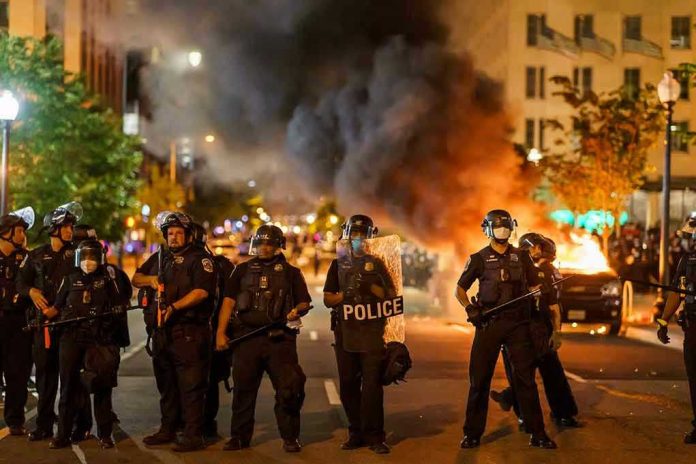
Protests in Minneapolis ignited after ICE agents fatally shot Renee Nicole Good on January 7-8, 2026. The incident occurred during an enforcement operation where Good allegedly used her car to block agents. This tragic event led to significant unrest, with demonstrators expressing their outrage at the Whipple Federal Building and other locations. Reports confirm the use of tear gas and pepper spray as tensions escalated.
The demonstrations saw protesters blocking ICE vehicles, resulting in multiple arrests and instances of minor vandalism, including graffiti. The Department of Homeland Security (DHS) responded by deploying additional agents to manage the situation. The media narrative has focused on the aggressive tactics used by both sides, with federal authorities emphasizing the violence of some protesters and local officials condemning ICE’s methods.
Background and Context
The protests are part of a broader movement against intensified ICE operations, which have been particularly pronounced under the leadership of DHS Secretary Kristi Noem. Her approach has drawn criticism for what some see as an overreach of federal power, reminiscent of national anti-ICE sentiments that have been building since the family separations policy of 2018 and the civil unrest following George Floyd’s death in 2020. The backdrop of these events has set the stage for the recent surge in opposition to ICE’s presence and actions in Minneapolis.
The shooting of Good, described by federal sources as a potential “domestic terrorist,” further inflamed the situation. Local narratives, however, paint her as a protester and supporter of immigrants. This dichotomy in portrayals has fueled the protests and amplified the divide between federal authorities and community members.
Anti-ICE leftists wreck ICE vehicles, loot rifles, dox federal agents on livestream in Minneapolishttps://t.co/Yofx3dnefZ
— Libby Emmons (@libbyemmons) January 15, 2026
Key Stakeholders and Power Dynamics
The events in Minneapolis involve several key stakeholders, each with distinct motivations. Renee Nicole Good, the deceased, was an active participant in the protests and is seen by supporters as a victim of excessive force. DHS Secretary Kristi Noem and ICE ERO Acting Director Marcos Charles represent the federal stance, emphasizing the need to curb what they deem as criminal activity. Influencers like Nick Sortor and Cam Higby have documented the protests, highlighting near-violent encounters with agitators.
Local figures such as Minnesota Attorney General Keith Ellison have voiced strong opposition to the federal presence, describing ICE’s actions as causing chaos and terror in the community. The power struggle between federal enforcement and local resistance is evident, with community patrols actively attempting to disrupt ICE raids and warn residents of impending operations.
Current Developments and Impact
As of January 14-15, 2026, over 60 individuals have been charged with impeding or assaulting officers. Despite the unrest, the situation remains under control without reports of escalation to the levels of violence and criminal activity some have claimed. DHS continues to assert its commitment to enforcing immigration laws, while local protests persist as a form of opposition.
The short-term implications of these events include school lockdowns and business closures due to safety concerns. Long-term, the situation may exacerbate tensions between federal and local authorities, leading to potential policy shifts regarding ICE operations in sanctuary cities. The protests have also invigorated anti-ICE activism nationwide, drawing attention to the broader debate over immigration enforcement practices.