The paperwork shows a plan to keep policing “health misinformation” long after COVID faded, and that is the real fight.
Story Snapshot
- The U.S. Surgeon General labeled health misinformation a public-health threat in 2021 and urged action “beyond” COVID.
- The Supreme Court’s Murthy v. Missouri ruling turned on standing, not merits, but sketched limits on coercion of platforms.
- Advocacy groups now claim new documents show a push to manage jokes, memes, and more as “misinformation.”
- The core clash pits public health goals against free-speech rights and private-platform power.
What the government formalized about “misinformation”
The U.S. Surgeon General issued a 2021 advisory naming health misinformation a “serious threat” and called for a broad response during the pandemic and beyond. The advisory framed a “whole-of-society” effort, which includes health pros, platforms, media, and families. The Department of Health and Human Services’ site explains that advisories flag urgent issues and recommend responses, not new laws. Supporters say this is straight public health. Critics see a standing order to nudge speech rules forever, with the state’s weight behind it.
The advisory’s scope matters because it set the tone for how agencies and partners would act. Public health leaders argue that false claims about vaccines, cancer cures, or nutrition can spread faster than fixes and cost lives. Research backs that speed and reach. Social media rewards hot takes, not careful nuance. Creators make money on engagement, and so do platforms. That is gasoline on rumor fires. That does not justify speech policing by the state, but it explains the urge to intervene.
What the Supreme Court actually decided
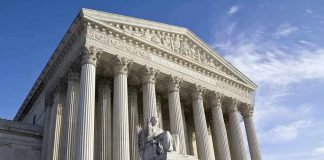
The Supreme Court’s 2024 Murthy v. Missouri ruling did not bless or ban jawboning. The Court said the plaintiffs lacked standing, so it did not rule on whether officials crossed the First Amendment line. The opinions explained that officials can share views and point out errors, but cannot coerce or significantly encourage platforms to suppress protected speech. One opinion noted Facebook had started moderating COVID claims even before White House and Surgeon General actors engaged. That point undercuts claims that the state fully drove platform rules.
The Court’s path leaves a live boundary: government speech is allowed; government pressure that chills private speech is not. That invites more fact-heavy cases. It also tells agencies to watch their tone. Warnings and data? Likely fine. Threats tied to funding or regulation? Likely not. For citizens, that means vigilance and receipts matter more than vibes. For platforms, it means build and own clear rules, and log government asks.
What new records purport to show
Advocacy groups claim newly released documents show plans inside the Biden-era Surgeon General’s orbit to push platforms beyond false claims and into memes, jokes, and even true posts that officials disliked. These reports argue the approach treated moderation as a standing public-health function, not an emergency step. They also say staff tracked “momentum” when critics faced platform penalties. These accounts are pointed and political, and they seek to expand the public record, but they are not court-tested.
Dumb is pretending what limited education looks like for women and girls under strict Shariah systems. In many of those settings, schooling is sharply restricted around the sixth grade. In the United States, civics and economics instruction was also narrowed over time. No Child…
— Lisa Bohlman (@l_bohlman) October 20, 2026
Supporters of the administration respond that the 2021 advisory is public guidance, not a gag order, and that agencies flagged content the way any user can. The Department of Justice argued in Murthy that no threats occurred and that officials used permissible government speech to counter harmful claims. The Supreme Court did not resolve that dispute. So the key question remains: where does “flagging” end and “pressure” begin? Process details will decide that, not slogans.
The conservative common-sense test
The First Amendment sets the floor: the government cannot strong-arm debate. That includes snark, satire, and wrong guesses that do not break the law. Public health can warn and persuade in public view. It should not whisper ultimatums to gatekeepers. The clear path forward is sunlight and separation. If agencies have concerns, they should post them publicly with evidence. If platforms choose to act, they should cite their own rules and keep a paper trail for all to see.
Three reforms would cool the temperature without gutting free speech. First, publish all government content flags in a live, searchable log. Second, bar any regulatory talk in the same channel as content requests. Third, time-limit emergency asks and require after-action reviews. These steps do not pick winners in a science fight. They align with the Supreme Court’s caution on coercion, and they honor the American idea that truth grows stronger in the open air.
Sources:
supremecourt.gov, hhs.gov, govinfo.gov, mayerbrown.com, pmc.ncbi.nlm.nih.gov, academic.oup.com