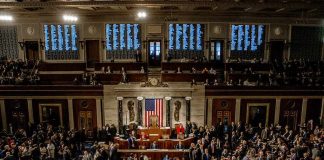

The Senate’s 62-21 vote cracked open the gate for the most sweeping energy-permitting overhaul in years—and it aims at both power lines and Big Tech’s grid tab.
Story Snapshot
- The Senate voted 62-21 to proceed to H.R. 2347, advancing debate on a major permitting bill.
- The motion opens amendment and debate; it was not final passage of the bill.
- The proposal spans oil, gas, transmission, and clean energy, not one technology.
- Bipartisan sponsors say it targets cost, speed, and reliability across the grid.
Senate Opens Floor To A Broad Permitting Package
The Senate adopted a motion to proceed to H.R. 2347 by a 62-21 vote, moving a wide energy-permitting bill onto the floor for debate and amendments. This step matters because it sets the vehicle and rules for what comes next. Senators can now file and vote on changes across key sections. The vote was procedural. It did not pass the bill. Leaders used it to keep the coalition together while allowing targeted edits and negotiations to continue.
The bill’s title—Bipartisan American Affordability and Jobs Act of 2026—signals its scope. The text would streamline federal reviews, adjust how agencies coordinate, and give the Federal Energy Regulatory Commission more authority to move certain interstate transmission projects. It would also speed up approvals for renewables, hydropower, geothermal, and some offshore energy, while lifting certain onshore oil and gas permit needs on nonfederal land. The design targets faster timelines without confining changes to one energy source.
What The Bill Would Change And Why It Resonates Now
Supporters point to clogged transmission, rising power demand, and slow build cycles. They want firm deadlines, clear leads, and fewer duplicative reviews. The package responds with coordinated schedules, faster dispute resolution, and defined scopes for reviews. It links affordability to project speed and capital certainty. The sponsors—Republicans Shelley Moore Capito and Mike Lee and Democrats Sheldon Whitehouse and Martin Heinrich—frame it as a cross-party fix to a system that wastes time and money.
One eye-catching piece targets cost shifts from tech growth. Large data centers would pay more of the grid-upgrade costs they trigger, rather than pushing those costs onto other ratepayers. That rule aims to line up price signals with real grid strain and avoid socializing private expansion costs. It also answers voter frustration about bills rising because of surging power demand from artificial intelligence and cloud buildouts.
The Road Ahead: Amendments, Allies, And Fault Lines
Backers celebrated the 62-21 step, but more hurdles remain. Several Senators are preparing amendments on cultural resources and consultation rules. Senator Michael Bennet raised concerns that some language could weaken tribal sovereignty and reduce public input. He opposed the motion based on those issues and called for stronger guardrails. His statement shows bipartisan sponsorship does not equal full bipartisan agreement on every section or on final passage.
Reporters also flagged that different procedural votes occurred around the bill. Some accounts cited a separate cloture vote, while the chamber’s daily press noted the 62-21 motion to proceed as the key vehicle step for H.R. 2347. Both actions advanced consideration, but they are distinct moves with different thresholds and meanings. The 62-21 motion defines the current Senate vehicle for the debate phase on this package.
Why This Fight Matters For Your Power Bill And The Grid
Americans feel the pinch of rising energy costs and outages in extreme weather. Transmission logjams hold back cheaper power from reaching the market. The bill’s backers argue that smarter permitting can cut soft costs, speed delivery, and improve reliability without gutting safeguards. The broader aim is to reduce guesswork for builders, push decisions to clear timelines, and assign costs to the parties who create them. That is pocketbook policy for families and for factories.
1/8
The Senate voted 62–21 to advance energy-permitting legislation.
America needs more power plants, transmission lines and reliable electricity.
But here's what caught my attention.
This bill isn't just about building faster.
It could change who pays and who can challenge…
— JonathanFrye (@jonathan_f32966) November 11, 2026
Two things can be true at once. The country needs more lines, plants, and storage to meet demand and keep prices in check. Communities and tribes deserve a real voice before projects break ground. The Senate’s move keeps both debates alive. The amendments will reveal where the coalition holds and where it bends. Final passage will test whether cross-party theory can survive line edits and regional politics. For now, the floor is open, and the clock has started.
Sources:
capito.senate.gov, insideclimatenews.org, congress.gov, bennet.senate.gov, newsobserver.com