Taxpayer-funded TV ads praising President Trump aired on CNN and MS NOW while the White House fought to keep those networks off its grounds, and that clash tells you everything about the stakes of power and message control right now.
Story Snapshot
- The ads ran with “Paid for by the U.S. Government” disclaimers.
- Ad buys totaled at least $2.5 million in airtime, according to AdImpact estimates.
- One spot closely matched Trump’s 2024 campaign ad, critics said.
- A judge paused Trump’s ban on CNN and MS NOW press access amid legal fights.
What Ran, Where It Ran, and Who Paid
The White House bought television time on CNN and MS NOW for short ads that touted President Trump and his agenda. The ads ended with a government disclosure: “Paid for by the U.S. Government”. A leading ad-tracking firm estimated the buys have cost taxpayers at least $2.5 million in airtime so far. One ad echoed Trump’s “final battle” theme and featured cinematic shots of the president, drawing comparisons to a prior Trump 2024 campaign spot.
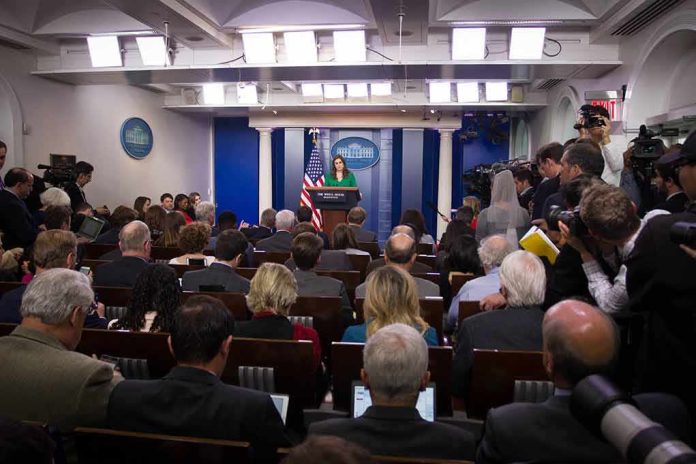
The timing and placement drew quick attention because the administration sought to bar CNN and MS NOW from White House grounds in the same window, a move a federal judge paused while the case proceeds. Viewers watching football saw the ads during high-visibility slots, which made the campaign hard to miss and raised questions about whether this was public information or political marketing packaged as a public service message.
The White House Defense, In Its Own Words
The White House called the spots “public service announcements” meant to lift patriotism and teach why the nation is worth defending at home, on the border, and abroad. Officials said they are not campaign ads because Trump is not on any ballot and there is no call to vote, donate, or attend an event. Communications director Steven Cheung told critics not to “let the Fake News get away with their lies,” and he framed the ads as epic and proud by design.
Officials also pointed to past administrations that used government-funded public service campaigns to explain programs like Medicare, the Affordable Care Act, or public health pushes such as vaccination. Their argument is that the government can speak to the public with taxpayer funds if the message serves a broad civic purpose, not a party interest. Disclosure at the end of each ad was presented as proof of clean lines.
Why Critics See A Legal and Ethical Line Crossed
Critics focused on content, not just labels. They argued these videos promote the president himself rather than inform viewers how to use a benefit, claim a service, or avoid a risk. Media reports noted one ad appeared nearly identical to a prior Trump campaign message, which makes the public service claim look thin to them. AdImpact’s multimillion-dollar airtime estimate also underscored the scale, which heightened scrutiny of both the source of funds and the intended purpose.
Watchdogs and ethics voices say longstanding rules bar spending public money on propaganda or messages designed to help a candidate or party. While that line can blur, the usual test is whether the content tells people how to do something tied to a government program. These ads lean more on hero shots, symbolic language, and praise of leadership. That style aligns more with promotion than instruction, which makes the push for accountability feel justified.
The CNN and MS NOW Access Fight Changes The Optics
The administration tried to block CNN and MS NOW from the White House while buying ads on those same networks. A judge granted a pause that restored access while the legal fight continues. The mixed signals matter. If the White House treats those outlets as unreliable for reporting but pays them to air favorable messages, it suggests a preference for one-way communication over press scrutiny. That tension makes critics less likely to accept the public service framing at face value.
Donald Trump's administration has aired 38 pro-Trump ads on MS NOW and 10 ads on CNN,
The administration has spent at least $2.87 million running three different ads, according to AdImpact estimates. The ads end with a disclaimer that reads, “Paid for by the U.S. Government.”… pic.twitter.com/pXJRxxqX2A
— Variety (@Variety) October 1, 2026
From a conservative, common-sense view, taxpayer money should fund clear public needs. Public service ads should teach, not glorify. If a spot mirrors a campaign message and arrives weeks before midterms, it invites the wrong conclusion. Voters deserve government messaging that explains policies and protects the public. If leaders want praise-heavy ads, their campaigns—not public agencies—should pay for them. That bright line protects trust, and it protects the presidency.