The federal government finally shut a loophole so absurd it sounds like a prank: paying benefits to people who are already dead.
Quick Take
- President Donald Trump signed S. 269, the Ending Improper Payments to Deceased People Act, on February 10, 2026.
- The law permanently lets the Social Security Administration share its Death Master File with Treasury’s Do Not Pay system and other agencies.
- A temporary pilot proved the concept, with lawmakers citing at least $330 million in savings during the test window.
- Sen. John Kennedy drove the bill for years; the Senate passed it unanimously before the House cleared it in January 2026.
One database, billions at stake, and a government that couldn’t connect the dots
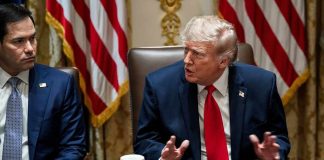
President Trump signed Sen. John Kennedy’s bill in the Oval Office with a simple purpose: stop federal dollars from leaving the Treasury in the names of the deceased. The fix sounds obvious because it is. The federal government already tracks deaths through the Social Security Administration’s Death Master File, but agencies paying out money often lacked permanent authority to check that data systematically. That gap invited errors and fraud—and taxpayers ate the losses.
The hook is not the morality play of “good guys versus bad guys.” The hook is the mechanics: the government had the information it needed, but rules and silos kept it from using that information at the moment payments were approved. When Washington can’t match “this person died” against “this person is scheduled to be paid,” the system becomes a vending machine with a broken sensor—money dispenses, and only later does someone notice the snack never got picked up.
What S. 269 actually changes inside the payment pipeline
S. 269 permanently authorizes SSA to share Death Master File data with the Treasury Department’s Do Not Pay system and other federal agencies. That matters because Do Not Pay is designed to act like a checkpoint before money goes out the door, flagging names and identifiers that shouldn’t receive federal payments. The new law turns what had been a temporary, time-limited permission slip into a standing rule, so agencies don’t drift back into the old, expensive habits.
Sen. Kennedy’s earlier 2020 law created a three-year pilot that let SSA and Treasury share data for a limited period. Congress structured it like a trial run: prove it works, measure savings, then decide whether to make it permanent. Supporters point to at least $330 million saved during the pilot window, and Kennedy highlighted a bigger, more embarrassing headline number: in 2023, the federal government issued $1.3 billion in payments to deceased individuals. Even allowing for later clawbacks, that’s a sign the front-end controls weren’t doing their job.
Why the “dead people” problem survives audits, headlines, and outrage
Improper payments persist for a boring reason that becomes fascinating once you see it: incentives reward speed and volume, not accuracy. Agencies get judged on getting benefits out fast, especially during crises, while the pain of mistakes spreads across taxpayers and future budgets. Fraudsters understand that lag. They look for seams where identity, eligibility, and payment systems don’t sync in real time. A death record trapped inside one agency’s database becomes a golden opportunity when another agency can’t or won’t consult it.
Conservatives tend to hear “data sharing” and immediately worry about privacy creep. That instinct is healthy. The common-sense counterpoint here is that the government already has the death data; the question is whether it uses it to prevent waste. Sharing a “do not pay” flag to stop money from going out under a dead person’s identity aligns with limited-government values when it reduces losses without expanding benefits or creating new programs. The burden should fall on government to prove tight controls—and the pilot’s results gave lawmakers something concrete.
The politics were easy; the governance was the hard part
The bill’s passage showed what Washington can do when the goal is clear and the optics are impossible to defend. The Senate passed the measure unanimously in September 2025, and the House followed in January 2026. That kind of glide path is rare, not because members love each other, but because nobody wants to explain why taxpayers should fund payments that never should have been approved. The signing, witnessed by Kennedy and Rep. Clay Higgins, capped a long push to keep the authority from expiring.
Those public quotes—“as low as it gets,” “waste, fraud, abuse must end”—land because they match what most people already feel. Still, slogans don’t run payment systems. The real test comes after the cameras leave: agencies must integrate the Death Master File into eligibility checks, match identities correctly, and prevent false positives that could delay legitimate payments. A tight system catches fraud; a sloppy one frustrates citizens. The law sets the rule; execution decides whether taxpayers see the promised savings.
What to watch next: fewer headlines, more savings, and a template for other reforms
The most revealing outcome will be quiet: fewer “we paid the dead again” audit stories, fewer emergency fixes, and fewer clawback battles after money disappears. If Do Not Pay checks become routine across agencies, Washington could build a template for tackling other improper-payment categories where data exists but doesn’t travel—without growing government. Republicans will rightly claim this as a waste-cutting win; Democrats can claim it protects program integrity. Taxpayers should demand the receipts: annual reporting, measurable reductions, and consequences for agencies that ignore the new tools.
Trump Signs Kennedy Bill Ending Government Payments to Deceased Americans – Yes, that was happening. https://t.co/Z7taxiT4gN
— Derek (@derekdob) February 12, 2026
A final reality check keeps the story grounded: no law eliminates improper payments entirely, because people lie and systems fail. The point is to stop failing in predictable, preventable ways. Paying dead people is the kind of mistake that makes citizens doubt everything else the government touches. S. 269 doesn’t solve the debt or fix every agency, but it closes an indefensible hole—and in a $6 trillion-plus federal universe, plugging obvious leaks is where serious fiscal stewardship starts.
Sources:
President Trump Signs Kennedy Bill to End Government Payments to Deceased Americans
Congressional Bill S. 269 Signed into Law