A federal lawsuit now asks a judge to call recent taxpayer-funded TV spots illegal propaganda that boosted President Trump during election season.
Story Snapshot
- The Democratic National Committee sued in Washington, D.C., targeting the ads and their funding source.
- The suit cites Congress’s long-standing ban on spending for “publicity or propaganda” in the United States.
- Reports say about $20 million shifted from border security funds to pay for the spots.
- The White House calls the ads public service messages, not campaign promotions.
The Lawsuit That Puts Government Messaging On Trial
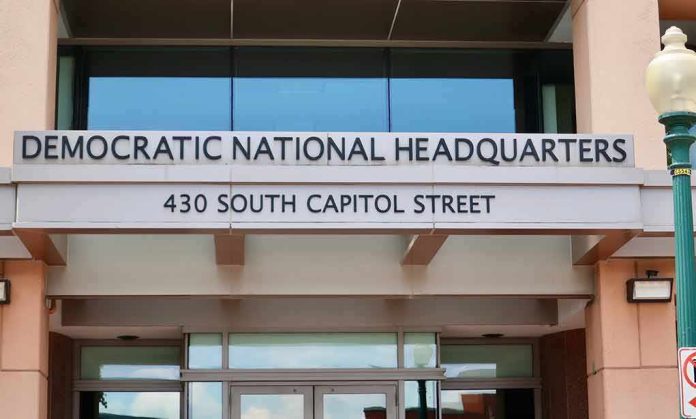
The Democratic National Committee filed suit in the U.S. District Court for the District of Columbia, alleging the administration used public money to air “campaign-style” ads that praised President Trump. The complaint cites the ban Congress places in appropriations bills on funding “publicity or propaganda” that is not authorized by law. The case seeks a declaration that the spending and the ads broke federal limits and asks the court to halt the campaign before the midterms.
Reporters describe five named spots that the complaint highlights: “The Country He Loves,” “Final Battle,” “Mount Rushmore,” “American Military Power,” and a spot celebrating the capture of Venezuelan leader Nicolás Maduro. News accounts say at least some of the ads carried “Paid for by the U.S. Government” on screen. That label, if accurate, matters. Clear source labeling tends to defeat claims of covert propaganda, but it does not settle whether the content crossed into self-promotion or partisan messaging.
The $20 Million Question: Where The Money Came From
Politico reports the Democratic National Committee alleges the Office of Management and Budget moved $20 million from Customs and Border Protection accounts to fund the television buys. Axios says the complaint centers on that alleged reroute of border funds to cover the ads. If proven, the fight shifts from taste to law. Congress writes the purpose of each dollar. Agencies can communicate with the public, but they cannot repurpose funds for glorifying any official. That is the line the lawsuit aims to draw.
Government watchdogs have long framed the rule in three buckets: self-aggrandizement, purely partisan activity, and covert propaganda. This case does not look covert, given the reported government label. The heat will fall on the first two buckets. If the ads praise the president and blur into advocacy, that risks the self-aggrandizement and partisan prongs. Courts and the Government Accountability Office have said for decades that “public information” is allowed, but hype is not.
The White House Defense And The Midcourse Pivot
The White House says the spots are public service announcements, not campaign ads, and argues they mirror past efforts to explain policies. Officials also told reporters the messages were not political and carried no call to vote. As a matter of common sense, a missing “vote for me” line does not end the analysis. Government can inform citizens, but it should not use tax funds to build a politician’s image in the heat of a campaign.
DEMOCRATS SUE TRUMP ADMINISTRATION OVER TAXPAYER-FUNDED POLITICAL ADS
The Democratic National Committee has sued President Trump and his administration over taxpayer-funded television advertisements promoting the president ahead of November’s midterm elections.
The lawsuit…
— The Macro Wire (@TheMacroWireOn) October 8, 2026
Multiple outlets reported that President Trump said he would stop using taxpayer funds for these ads and that a political committee would cover future placements. That shift suggests the optics and the legal risk turned costly. A later pivot cannot cure earlier spending if a court finds a violation. But it can narrow the forward-looking remedy and signal awareness that the boundary between public information and promotion is tighter than staff first judged.
What To Watch Next: Paper Trails And Purpose
This lawsuit will likely turn on documents and a few simple questions. Who approved the transfers and the buys? What did the planning memos say the ads would do? Did anyone cite public safety, agency morale, or clear policy education goals? Or did the goals focus on boosting the president’s image? Reuters reports the Democratic National Committee wants the court to enforce the statute’s “publicity or propaganda” ban as applied to this campaign. If the record shows intent to promote a political figure, expect a stern ruling.
One sober caution belongs here. A complaint is an allegation, not a finding. Still, the legal rule is not exotic. Congress has written it into spending laws for generations, and the Government Accountability Office has enforced it across both parties. Voters should want a bright line. Agencies can inform. Candidates should persuade with private money. If those wires cross, trust erodes. The court will not grade style points. It will test purpose, funding source, and law.
Sources:
thegatewaypundit.com, nbcnews.com, politico.com, reuters.com, axios.com, usnews.com, english.news.cn, washingtonexaminer.com, bbc.com, pbs.org