
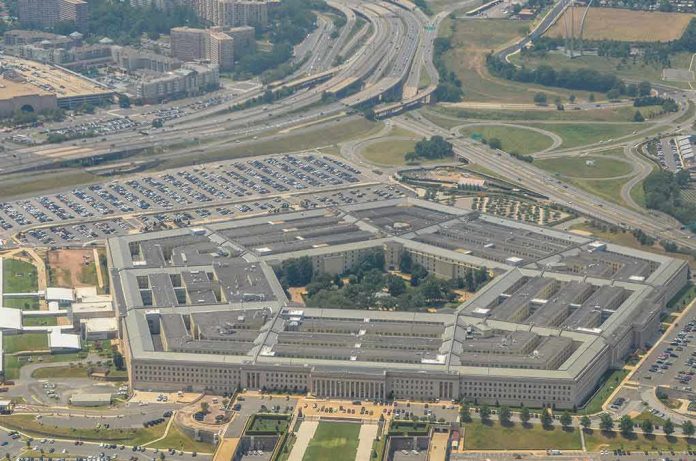
The Pentagon just moved to revive the World War II-era Office of Strategic Services in name and muscle, and it comes with money, people, and sharper authority.
Story Snapshot
- A signed November 2, 2026 memo orders a special-operations overhaul and OSS branding.
- The civilian special-operations chief rises to the level of the military service secretaries.
- The plan shifts 100 billets and carves out at least $45 million in steady funds.
- The department says the change grants direct budget and acquisition power.
What Hegseth Ordered And Why It Matters
Defense Secretary Pete Hegseth signed a memorandum on November 2, 2026 that directs a reorganization of special-operations oversight and revives the Office of Strategic Services title within the Pentagon’s civilian leadership. The order elevates the Assistant Secretary of War for Special Operations and Low-Intensity Conflict to equal footing with the military department secretaries, a level that signals direct weight in budget and acquisition debates. The department frames this as a move to provide faster decisions, stronger accountability, and better support to the force.
The memorandum goes beyond symbolism. It directs the comptroller to identify and reallocate at least $45 million each year in Operations and Maintenance funds to a dedicated program element for the office. It orders a shift of 75 civilian positions, including at least five in the Senior Executive Service, within 60 days, plus 25 joint-qualified military billets that the Joint Staff must source. Those numbers give the office staff, senior expertise, and staying power that many small oversight shops lack.
The New Chain Of Power And The OSS Name
The department’s release says the office will gain direct budget authority and acquisition concurrence for special-operations-unique issues, placing a clear gatekeeper on programs, requirements, and readiness that used to diffuse across the building. The memo also instructs a rename to the Assistant Secretary of War for the Office of Strategic Services and calls for new legislation to stand up an Under Secretary of Strategic Services. That pushes the OSS brand from history into an active title set meant to shape decisions today.
World War II’s Office of Strategic Services was America’s first centralized intelligence agency and the forerunner to the Central Intelligence Agency, before it was dissolved after the war and its functions moved into new structures. The Pentagon is not recreating that wartime spy service. It is using the legacy name to mark a civilian hub that steers budgets, acquisitions, and modernization for special operators inside today’s defense machine. The message is speed, unity of command, and results over process.
How This Fits A Forty-Year Cycle Of Reform
Congress and the Pentagon have boosted special operations after past shocks. In 1986 and 1987, lawmakers created United States Special Operations Command and a civilian assistant secretary to give special operations real sway in planning and budgets, after finding the services underweighted them. This new elevation follows that pattern. It bets that stronger civilian oversight, backed by people and money, will cut delay, raise readiness, and hold programs to account when missions are high risk and time sensitive. That is common-sense management: put authority where the outcomes live.
The plan still needs Congress for the permanent title change and the proposed under secretary post. That is a normal step for structural shifts of this scale. Meanwhile, the department can execute the billet moves and the $45 million allocation under existing authorities directed in the memo. The key test will be execution: staffing the shop with doers, locking the funding line in the budget cycle, and using concurrence power to speed buys without bloating costs. That is how you earn trust with taxpayers and troops alike.
What To Watch Next Inside The Building
Three signs will show whether this works. First, whether the 75 civilian and 25 military billets land on time with clear roles, not vague boxes. Second, whether the $45 million becomes a true annual baseline that survives budget drills rather than a one-off reprogramming. Third, whether direct budget and acquisition authority shortens decision timelines and improves program performance without duplicating what the services and United States Special Operations Command already do. Results should show up in faster fielding and steadier readiness.
Why The Framing Aligns With Conservative Priorities
This shift concentrates responsibility, trims aimless layers, and moves dollars to the mission edge. Clear lines of authority make it easier to reward what works and cut what does not. A modest, defined funding wedge and measurable staffing targets set a discipline that large bureaucracies often avoid. If the office uses its concurrence power to stop gold-plated gear and back proven, lethal tools, that is fiscal sanity with battlefield payoff. That is the balance taxpayers expect and operators deserve.
Sources:
taskandpurpose.com, armedforces.press, congress.gov