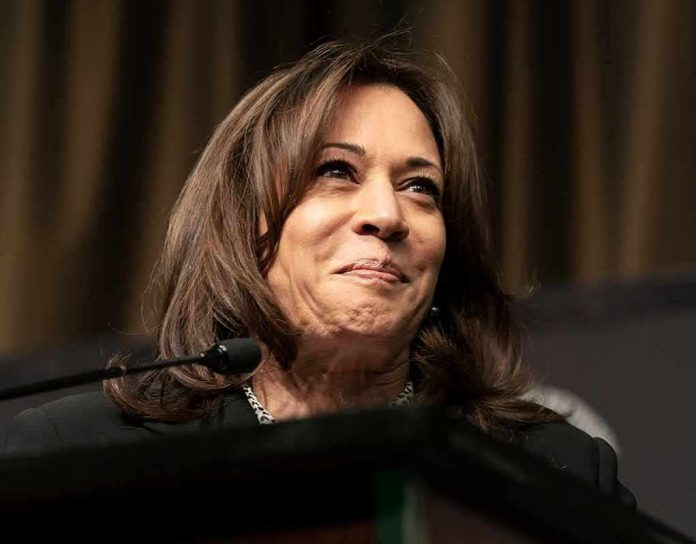
Democrats in red states are telling Kamala Harris to keep her distance, and she is saying she gets it.
Story Snapshot
- Harris jumped into 2026 races, endorsing in New Hampshire and three House contests, including one in deep-red Tennessee.
- Some red-state Democrats flatly said “no” to Harris campaigning with them, betting local brand over national spotlight.
- Harris answered that candidates should “do whatever they need to do to win,” signaling she will not force the issue.
- Research shows surrogates can nudge vote share, but backlash can erase gains when the endorser divides voters.
Red-State Candidates Set the Boundaries
Named Democrats in tough states have drawn a bright line. Iowa Senate nominee Josh Turek was asked if Harris should campaign for him and replied, “No.” Iowa gubernatorial nominee Rob Sand’s team said they did not want her endorsement or her at rallies. Alaska’s Mary Peltola rejected what she saw as unsolicited support from Harris, reflecting a worry that national figures can hurt in states Trump won big. These choices show a local-first strategy, not a civil war.
Harris’s public response framed the pushback as smart tactics, not disrespect. She said candidates should do “whatever they need to do to win,” and stressed the bottom line is victory. That stance removes drama and keeps doors open in friendlier terrain. It also reads the room: purple and red regions often punish national Democrats who campaign like it is a coastal primary. Letting locals lead gives them cover with swing and rural voters.
Where Harris Is Stepping In—and Why
Harris is not retreating from the map. She endorsed Representative Chris Pappas for Senate in New Hampshire, a must-hold seat for Democrats, and weighed in on three House races, including a solid Republican district in Tennessee. Her orbit has touted value in battlegrounds and plans travel through purple states. That is the right battlefield for her brand: places where Democratic turnout needs juice and suburban shifts can swing a race. The goal is to spark donors and volunteers while avoiding boomerang effects.
Some Democrats want her help. Georgia Senator Jon Ossoff welcomed her support, which matters for aligning money, media, and message in key states. That split reaction is normal. Parties use different messengers for different zip codes. A national figure who energizes college towns may hurt in oil counties. Republicans understand this and do it too. The best campaigns plan with discipline, not ego, and Harris appears to be following that script by letting data and local asks steer her stops.
The Math of Surrogates: Margins and Backlash
Political science gives a sober guide. Surrogate visits can lift a candidate’s county vote share by around 1 to 2 points on average, while candidate visits add a bit more. Those gains can decide close races, but they are not magic. Studies of high-profile endorsements show mixed results when the endorser is polarizing or the district is already dug in. The lesson is simple: in swing suburbs, bring help; in deep-red terrain, keep the convoy small and local.
The 2026 map favors Republicans in many of the seats Democrats want, especially where Trump won by double digits in 2024. That makes message discipline vital. Harris can still matter by targeting suburban counties, college metros, and union pockets where turnout and small shifts can flip a House seat or save a Senate hold. A one-point nudge in the right county can outweigh a headline in the wrong one. That is common sense strategy that respects voters where they live.
What This Signals About the Party
Democrats are running a two-lane road. Lane one: Harris and other big names raise money, motivate the faithful, and headline in states that match their profile. Lane two: red-state nominees keep a local brand, decline national spotlights that help Republicans frame them as coastal liberals, and build trust face to face. Harris’s choice to bless that split is wise. It reduces friction, avoids culture-war bait, and keeps focus on turnout and persuasion where they count most.
Sources:
townhall.com, politico.com, theepochtimes.com, newsmax.com, politicalwire.com, nypost.com, theguardian.com