Federal prosecutors say they stopped an ISIS-backed mass shooting plan aimed at Minnesota’s busiest mall — and the paper trail reads like a countdown clock.
Story Snapshot
- Justice Department charged an 18-year-old with receiving a gun to commit terrorism.
- FBI says the suspect picked the Mall of America and talked about killing 30 to 60 people.
- Undercover agents interrupted the plan during a $600 AK-47 buy, according to the complaint.
- Messages cited by prosecutors show ISIS praise and antisemitic motives tied to the target.
Feds Outline A Plan, A Target, And A Deadline
The Department of Justice said an 18-year-old from Richfield, Minnesota, was charged with one count of knowingly receiving a firearm and ammunition to commit a federal crime of terrorism. Prosecutors say he picked the Mall of America as his target and described a mass shooting during a coming cultural event. The criminal complaint quotes messages about killing “30 to 60” people and spreading fear so shoppers would stay away. Agents arrested him after a controlled gun purchase arranged through an undercover operation.
Charging documents describe months of planning, pledges of support to the Islamic State, and a step-by-step path from talk to action. Investigators say he moved from online praise to scouting and then to weapons. The FBI says agents monitored him for nearly two years and ended the scheme once he took possession of what he believed was an AK-47 and ammunition for $600. Prosecutors argue these steps show intent and capability, not just idle words.
Inside The Alleged Motive And Method
Prosecutors say his messages cited ISIS, hatred of Jews, and a lie about mall ownership as twisted fuel for the attack plan. The complaint says he chose a Hmong community celebration date to raise the toll and the panic. The plan’s core was simple and brutal: enter with a rifle, fire into crowds, and keep shooting. Undercover agents made contact, recorded his stated aims, and supplied a non-functional rifle to prevent harm, according to press accounts summarizing the filings.
Officials say the suspect moved on logistics with purpose. He asked for a rifle that would not jam. He bought magazines and rounds. He discussed timing. He showed interest in escape or martyrdom. The arrest occurred in a public park near his home after the exchange. No shots were fired. No one was hurt. The single federal count focuses on receiving the gun and ammunition with the aim of committing terrorism, which carries serious time if convicted.
Why Undercover Stings Keep Showing Up In ISIS Cases
Undercover operations are now standard in terror cases linked to the Islamic State. A New York Times review found stings in about two-thirds of such prosecutions, reflecting a clear focus on prevention before violence occurs. Researchers and press accounts also show informants feature in many post-9/11 cases, for better and worse. The logic is hard to ignore: disrupt early, deny the weapon, and lock in evidence. That trade-off favors safety in public places like malls, schools, and houses of worship.
🚨 TERROR PLOT: FBI arrested Sheikhdoon Mohamud in MN for plotting an ISIS shooting at Mall of America. 🇺🇸⚠️ #MallOfAmerica #ISIS View Graphic: https://t.co/49nAL29cXt Source: https://t.co/1nDrRlO6Vm
— Twooogle (@Twooogle) October 8, 2026
Some civil-liberties voices warn that stings can drift into pushing unstable people over the line. That debate will follow this case in courtrooms and op-eds. The facts alleged here, if proven, align with common-sense guardrails: the suspect picked the target, set the time, asked for the rifle, and showed up with cash. American conservative values prize both liberty and order. The right balance starts with stopping mass murder, then testing the evidence in open court.
Security Lessons For Crowd Spaces That Feel Personal
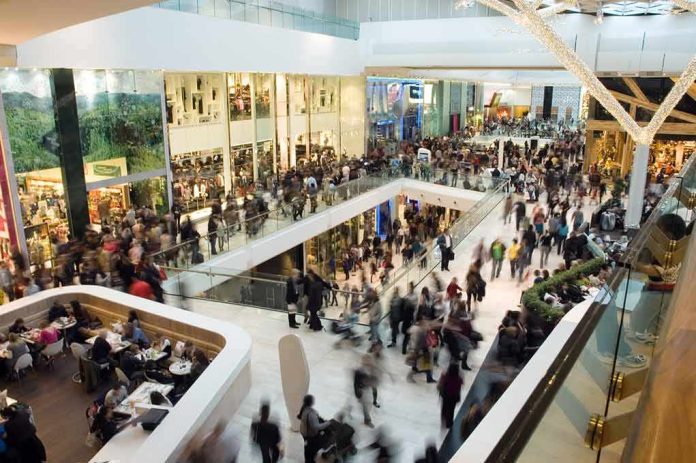
The Mall of America is not just a landmark. It is a place where families meet, teens work first jobs, and seniors walk laps before stores open. Federal officials say the suspect chose it to hurt the most people and turn normal life into fear. That is the playbook of modern terror: pick soft targets, chase headlines, and fracture trust. The counter is also clear: layered security, tip-driven leads, and swift disruption when buying guns crosses from talk to action.
Local leaders and mall operators should use this case to stress-test basics. Know event calendars that draw big crowds. Run camera and access drills. Rehearse fast lockdowns with police. Share threat notes across tenants, not just security staff. Ask for more visible patrols during festivals. These steps are not theater when chat logs name your building and a gun changes hands. They are the margin between panic and nothing happening at all.
What Comes Next In Court And Community
The next steps move to arraignment, detention rulings, discovery, and likely plea talks. Prosecutors will lean on messages, recordings, and the controlled buy. Defense counsel may question the sting. A judge and, if needed, a jury will sort it out. The charge is serious because the stakes were. The goal of counterterrorism is not to make examples. It is to keep people alive, then let the system weigh intent and proof with sunlight on every page.
Communities have work, too. Reject the hate in the messages described by prosecutors. Refuse to smear neighbors by ancestry or faith. Stand firm on both security and equal dignity. That mix denies terrorists the social crack they try to widen. It also reflects the country most of us want: safe to shop, free to speak, and strong enough to stare down threats without losing our heads — or our common sense.
Sources:
youtube.com, fox29.com, audacy.com, justice.gov, us.headtopics.com, cnn.com, timesofindia.indiatimes.com, mediaite.com