Eleven strangers floating on a single yellow life raft in the open Atlantic discovered, the hard way, how thin the line is between routine travel and utter dependence on strangers in orange helicopters.
Story Snapshot
- A Beechcraft King Air turboprop ditched in the ocean about 50 miles off Florida’s coast after reported engine trouble, leaving all 11 occupants stranded yet alive.[1]
- The pilot’s decisions in the final minutes likely meant the difference between orderly escape and catastrophe.
- Rescuers found the survivors huddled on a raft after hours of uncertainty in rough seas.
- The crash highlights how preparation, training, and personal responsibility still matter more than luck when machinery fails.
Routine hop turns into a cold lesson in risk
Passengers boarded the Beechcraft King Air in the Bahamas expecting a quick flight between island airports, the kind of short hop frequent travelers barely register anymore.[1] The aircraft later flew over Bahamian waters toward Florida’s coast when something went wrong with its engines, according to authorities. The pilot declared an emergency while en route, then radio contact was lost. The plane ultimately ditched in the Atlantic about 50 miles east of Vero Beach, Florida, far from land and far from any quick rescue.[1]
Survivors later described a jarring impact and a rapid, disorienting shift from cramped cabin to open ocean. The King Air stayed afloat only long enough for everyone to scramble out and deploy survival gear, including a life raft. All 11 occupants ended up clustered in that raft, surrounded by scattered debris and the vast horizon, with no certainty that anyone even knew where they were. Mechanical failure started the crisis, but preparation and discipline now had to finish the story.
Pilot judgment and passenger discipline beat panic
Authorities reported that the pilot managed to ditch the aircraft under control, a critical distinction from an uncontrolled impact. Controlled ditching gives occupants a fighting chance: the fuselage remains largely intact, exits are usable, and people have seconds—not milliseconds—to react. The fact that every person escaped the cabin and reached flotation devices strongly suggests that someone in that cockpit kept their head and followed training, even as engines failed and the altimeter unwound toward zero.[1]
Passengers also had a job to do. Survivors said they spent hours on the life raft, waiting without any confirmation that help was actually coming. That demands mental toughness, not Hollywood heroics. Keeping injured people as warm as possible, rationing water, watching for fuel slicks and debris, and staying together in one visible cluster all increase the odds that a search aircraft will spot you. That kind of small-scale discipline rarely makes headlines, but it often decides who gets home for dinner.
Search, rescue, and the mercy of proximity
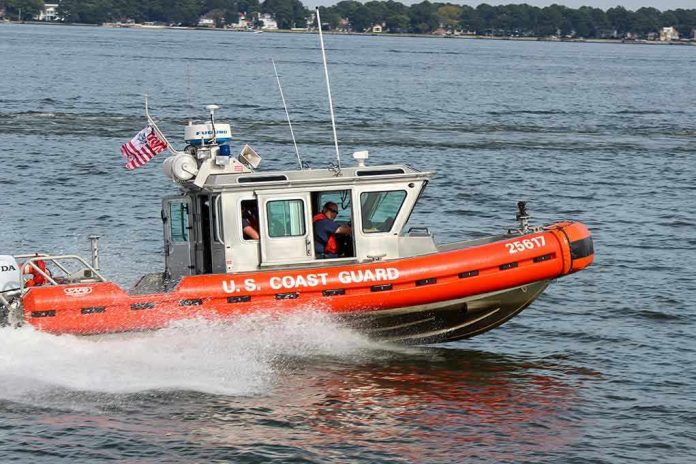
United States rescuers responded after the emergency and the reported ditching position triggered a search effort.[1] Coast Guard assets began combing the area, guided by last known radar positions and any available emergency locator signals.[1] Eventually, search crews spotted the raft with all 11 occupants aboard, then coordinated surface and air assets to hoist the survivors out of the water and transport them for medical evaluation.[1] Rescue crews treated three injured individuals while ensuring everyone reached advanced care.
#BAHAMAS: The aircraft, identified as a Beechcraft 300 King Air (BE30), registration HP-1859, had previously departed Leonard Thompson International Airport before the emergency unfolded.
— CaribbeanNewsNetwork (@caribbeannewsuk) May 13, 2026
Geography gave those survivors an advantage that many never get. The ditching occurred close enough to Florida and established traffic routes that the United States Coast Guard could respond quickly with aircraft and vessels.[1] That proximity, combined with functioning survival equipment, turned a likely fatal ocean crash into what officials called a “miracle” outcome. Common sense says this is not luck alone; it is the payoff from funding capable rescue forces and taking safety gear seriously before wheels ever leave the runway.
Unanswered questions and the danger of easy narratives
Authorities described the cause as engine failure, but investigators have not yet completed a full analysis of what actually went wrong. Aviation history shows a familiar pattern: early reports often lean on simple phrases like “mechanical issue” or “pilot error” long before evidence justifies firm conclusions. Americans who value truth over theatrics should resist the urge to assign blame or craft villains until facts, not feelings, fill in the gaps. The National Transportation Safety Board exists for that reason.[2]
Some online commentators already speculate about maintenance shortcuts, pilot misjudgment, or overloading, because outrage sells more clicks than patience. That instinct runs against conservative values of due process, personal responsibility, and respect for skill. The fair approach is to praise what we do know happened—orderly evacuation, successful use of safety gear, competent rescue—and wait for investigators to explain the chain of failure that led a sturdy twin‑engine turboprop into the ocean.[1][2]
Everyday travelers and the quiet power of preparation
Most travelers will never set foot in a King Air, yet the real lesson reaches into every airport gate. Survivors on that raft did not control fuel quality, internal engine parts, or radar screens, but they did control whether they listened to safety briefings, noted exit locations, and stayed calm as water flooded the cabin. That sounds old‑fashioned until you are staring at swells higher than your house and wondering whether anyone heard your last radio call.
America cannot bubble‑wrap life, and it should not try. But it can insist on robust maintenance standards, serious training, and a culture that respects expertise over spectacle. A small group of professionals—one flight crew, a handful of aviation mechanics, and a few Coast Guard teams—turned a mid‑ocean engines‑out scenario into an all‑survive headline.[1] That is not just a miracle; it is an argument for keeping competence, not complacency, at the center of modern life.
Sources:
[1] Web – Eleven Rescued After King Air Crashes Off Florida Coast – AVweb
[2] Web – Loss of control Accident Beechcraft B100 King Air N30HG, Monday …