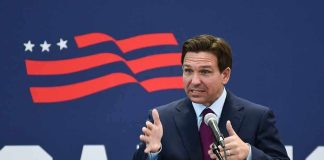
Jamie Raskin said subpoenas are coming for nine elite law firms that cut deals with the White House, and the paper trail he wants could redraw the line between politics and the practice of law.
Story Snapshot
- Raskin flagged specific firms and said subpoenas are next, not just talk.
- Reports say nine firms pledged about $940 million in services tied to shared causes.
- Requests seek the agreements, communications, and details on any alleged pressure.
- Firms have resisted informal requests, setting up a clash over scope and privilege.
Democrats move from letters to subpoenas after midterm control
Representative Jamie Raskin said law firms that struck deals with President Trump in early 2025 should expect subpoenas from House investigators. He pointed to firms that, in his view, “capitulated” to pressure and then promised legal help aligned with the administration. The shift follows Democrats gaining subpoena power in Congress after the 2026 midterms, which makes escalation possible and fast. The intent is not hidden: get the documents, get the emails, and get people on the record.
Bloomberg Law reported that nine firms collectively pledged about $940 million in free or discounted legal services tied to causes the White House favored. That number alone makes this more than a messaging fight. Investigators want the agreements, lists of requested matters, and communications about any threatened executive orders. They also asked for back-and-forth over how these deals took shape, including who asked for what and when. The scope signals a standard Capitol Hill playbook: assemble facts before writing laws or referring matters.
The target list: who received letters and what Congress asked for
Reports say letters went to several marquee firms, including Kirkland & Ellis, Skadden, Paul Weiss, A&O Shearman, Cadwalader, Latham & Watkins, and Simpson Thacher. Lawmakers asked whether the administration tied policy threats to cooperation. They also sought descriptions of any White House pro bono requests and internal communications about proposed agreements. One letter to Kirkland’s chair warned that “every tool” would be used after what lawmakers called a lack of cooperation, a phrase that often foreshadows compulsory process.
Congress has wide authority to compel information that could aid legislation. The Congressional Research Service says a recipient of a valid congressional subpoena has a legal duty to comply unless a recognized privilege applies. That does not mean every email becomes public. Attorney-client issues, confidentiality, and executive privilege fights can limit production. But as a baseline, standing committees can demand nonprivileged facts from private actors when it relates to a legislative purpose. Expect weeks of negotiations over line-drawing before any courtroom showdown.
What is claimed, what is proven, and where the facts are thin
The current record shows clear plans to subpoena, named firms that received letters, and a reported price tag for pledged services. It does not prove the deals were illegal or that firms knew of wrongdoing. Much of the detail comes from media reports and not yet from the agreements themselves. That gap matters. Noncooperation with voluntary requests is not proof of corruption; firms often cite privilege, confidentiality, or scope concerns, which can be proper grounds to hold back until a subpoena arrives. Prudence says reserve judgment until documents surface.
One of the Blue Wave's first casualties will be SEC Chair Paul Atkins. Here's the autopsy, written in advance: who holds each gavel, what they can compel, the 10 questions he'll be asked under oath, and a roadmap for the Blue Wave's impact on the SEC. https://t.co/wv59YVXSz7
— John Reed Stark (@JohnReedStark) November 4, 2026
Critics say Democrats are stretching oversight to punish businesses for working with a sitting president. They point to an alleged 181-page wish list of targets across industries as proof the net may widen beyond law firms. That claim, if accurate, would feed the argument that the effort is about power, not policy. But the central, documented piece remains the law-firm agreements. If subpoenas land and produce concrete terms, that evidence will either confirm pressure tactics or show firms kept control as they claim. Either way, clarity serves the public.
Why this fight matters for the rule of law—and your wallet
When government leans on private lawyers, the ripple hits everyone. If the White House can steer hundreds of millions in legal muscle toward favorite causes, then ordinary clients and disfavored causes can get sidelined. If Congress can turn corporate compliance into a political loyalty test, firms may lawyer up defensively and pass costs along. The conservative test is simple: equal rules, clear lines, and transparency. Subpoenas that pull facts into daylight help meet that test, but only if Congress sticks to evidence and a tight legislative purpose.
Sources:
redstate.com, huffpost.com, politicalwire.com, ground.news, news.bloomberglaw.com, newrepublic.com